Rotary projects around the globe – December 2026
Learn how Rotary clubs are taking action in the United States, Argentina, Spain, Uganda, and Sri Lanka.
by Brad Webber
1 Dec 2026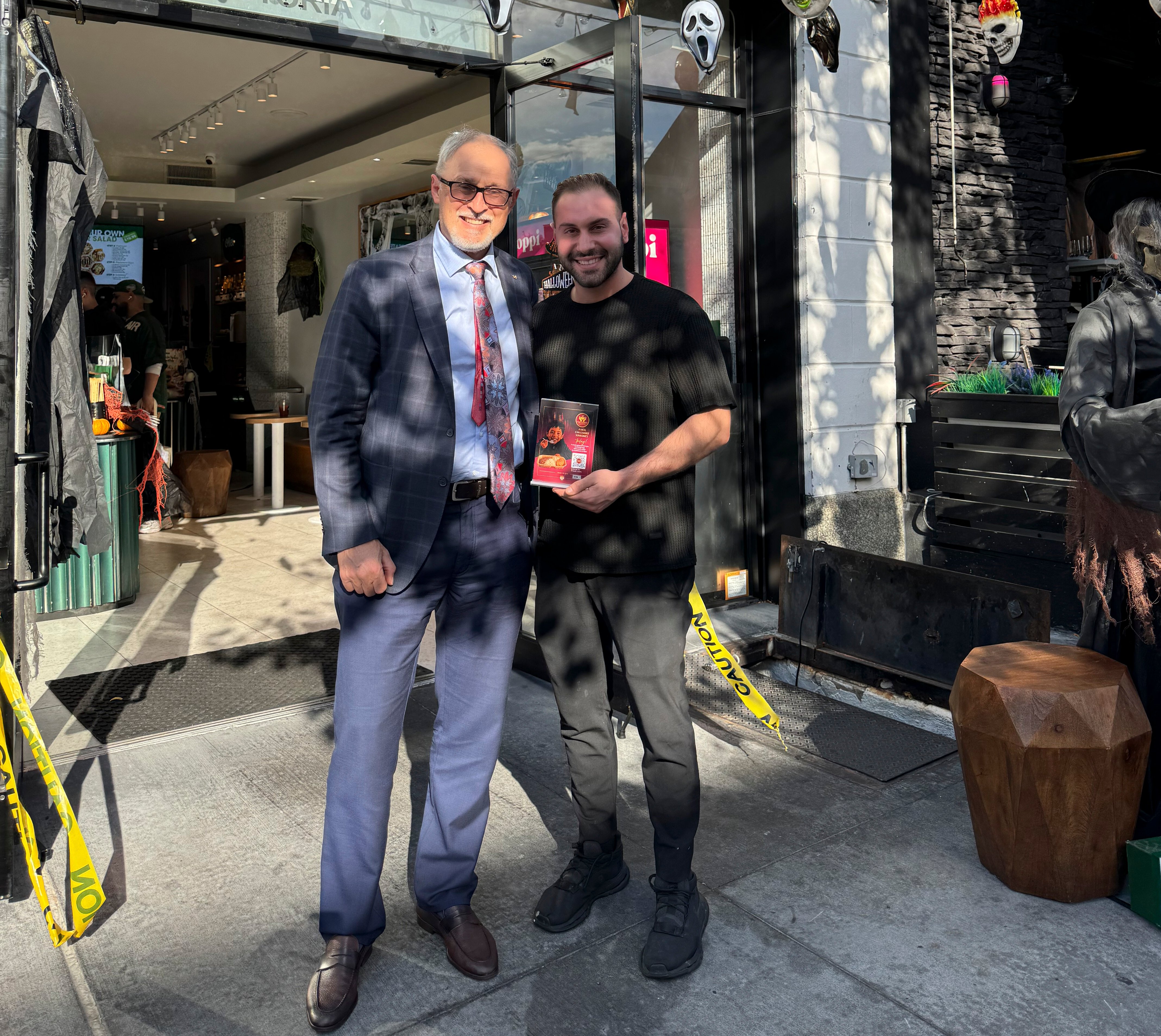
Alexander Litvinov was constantly confronted with reminders of hunger on the streets of New York City. In 2025, inspired by the Neapolitan tradition of caffè sospeso — the “pay it forward” concept of buying an extra drink or meal that will go to someone who can’t afford it — he created a website to help stem food insecurity. More than 1,000 people have found nourishment through Food Sospeso, the Rotary Club of New York’s nonprofit initiative. “A donor prepays a meal,” Litvinov says. “Technology allows us to take the idea beyond a single café: A restaurant-specific QR code makes it possible to prepay food without handing over cash, while Food Sospeso and its community partners ensure that the meal reaches someone who needs it.”
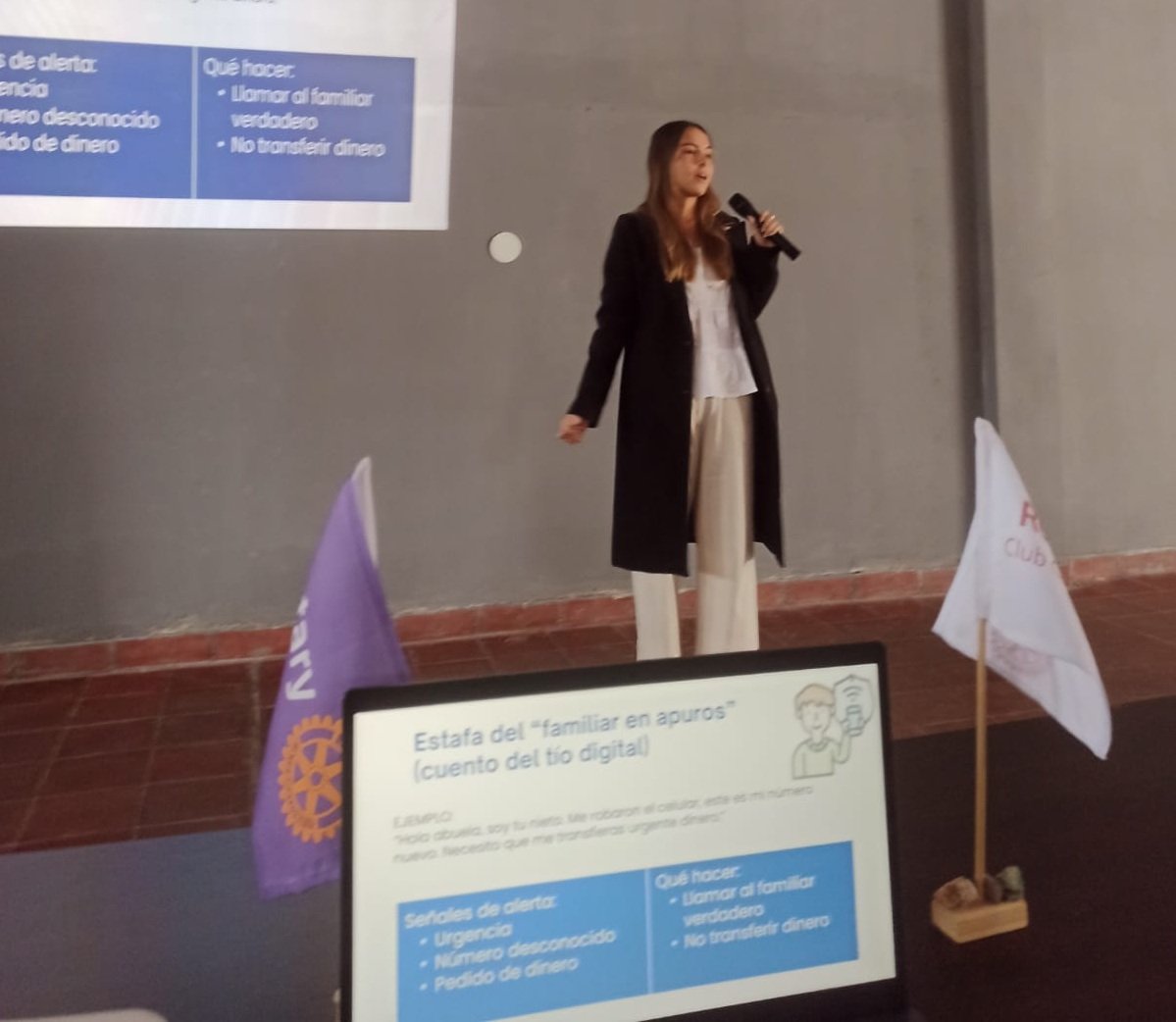
The Rotaract Club of Catamarca conducted a series of workshops to educate older adults on how to spot and avoid digital scams in their community in northwestern Argentina. Altogether, the program reached about 350 people, teaching them how to recognize potential scams and protect their personal and financial information, as well as to be vigilant about social media appeals and the old-fashioned unsolicited phone calls. Gustavo Gabriel Acosta, immediate past president, says club members also distribute brochures on the subject at civic events. “Participants were encouraged to consult family members, friends, and trusted institutions whenever they were uncertain,” he says.
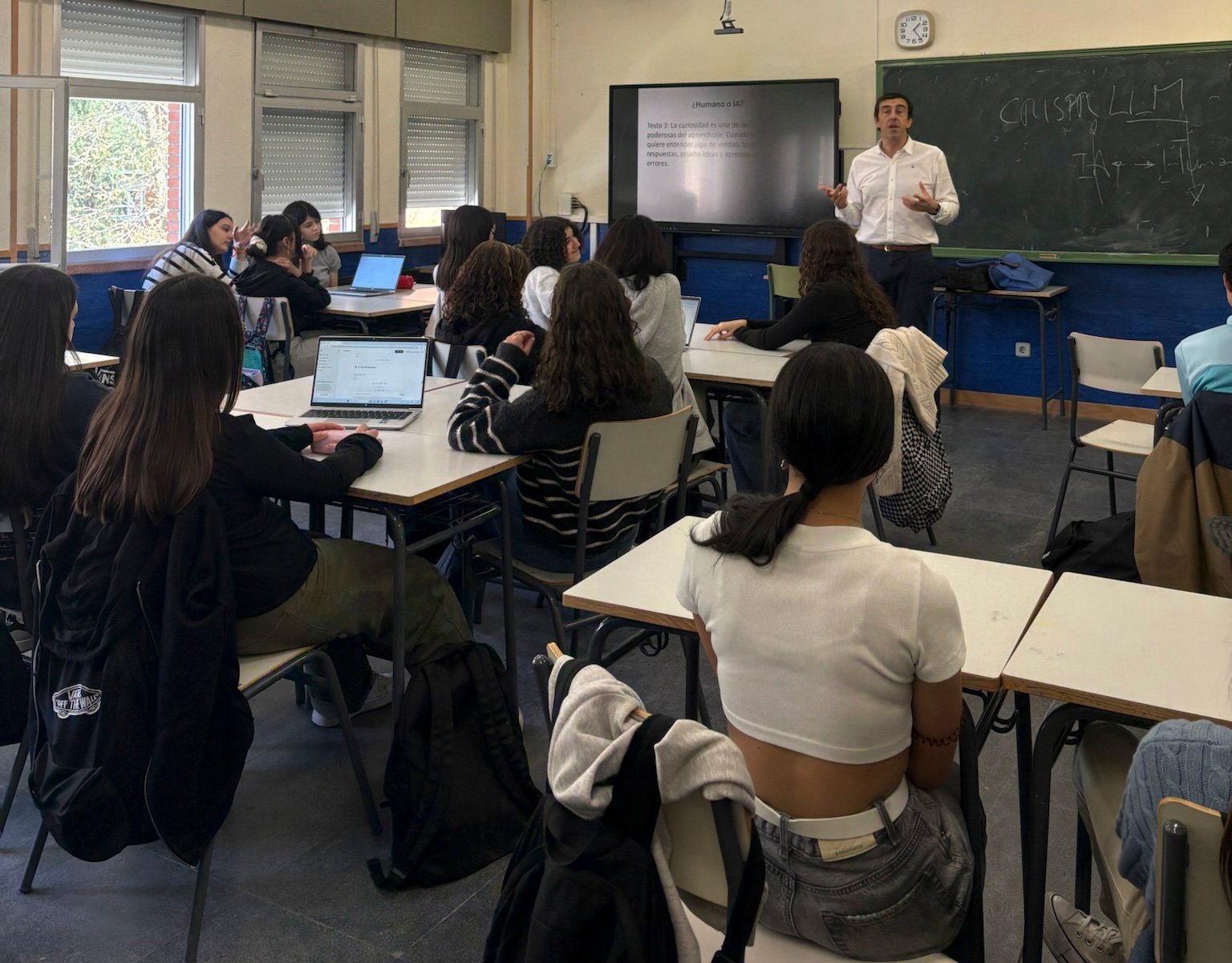
The Rotaract Club of AImpacto Madrid was chartered in 2025 as “a community of young people exploring the intersection of artificial intelligence, social impact, and leadership in Madrid,” particularly in public schools, nongovernmental organizations, and communities. In March the club held workshops in the AI-server classroom of the IES Gabriel García Márquez school. The sessions, which fostered responsible use of the technology, served about 200 students. “AI literacy is no longer only about knowing how to use a tool,” says Anna Shatalova, the club’s president. “It is about helping young people think critically, protect their privacy, and understand that they can shape technology rather than simply accept it.”
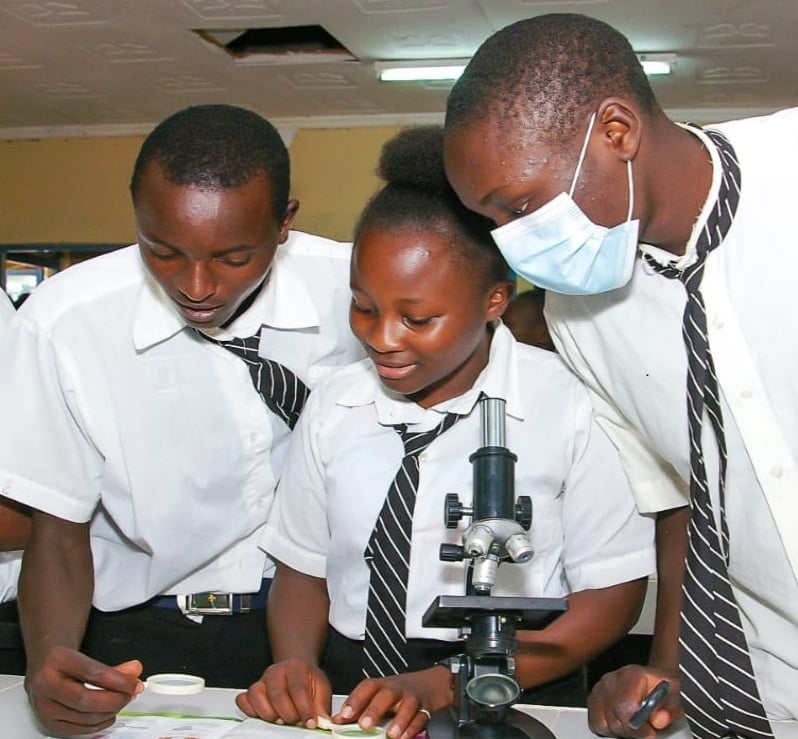
District 9214 clubs equipped schools with microscopes, test tubes, magnets, and other gear for science experiments. The first of 15 kits, which can be used for thousands of experiments, arrived in 2023 for a pilot program at Ssaku Secondary School before the district scaled up the Science Lab in a Box initiative. A total of 61 have been installed in Kenya, Cameroon, Uganda, and Nepal. “Uganda has the momentum because we’ve joined forces with Rotary,” says Robert Freeman, a member of the Rotary Club of Livermore Valley, California, and executive director of the Global Uplift Project. The program’s coordinator, Deborah Kulubya Luyima, a member of the Rotary Club of Muyenga, says that while her country has well-trained educators, “access to adequate laboratory equipment” is the challenge. The project aims to reach 200,000 students in Uganda alone.
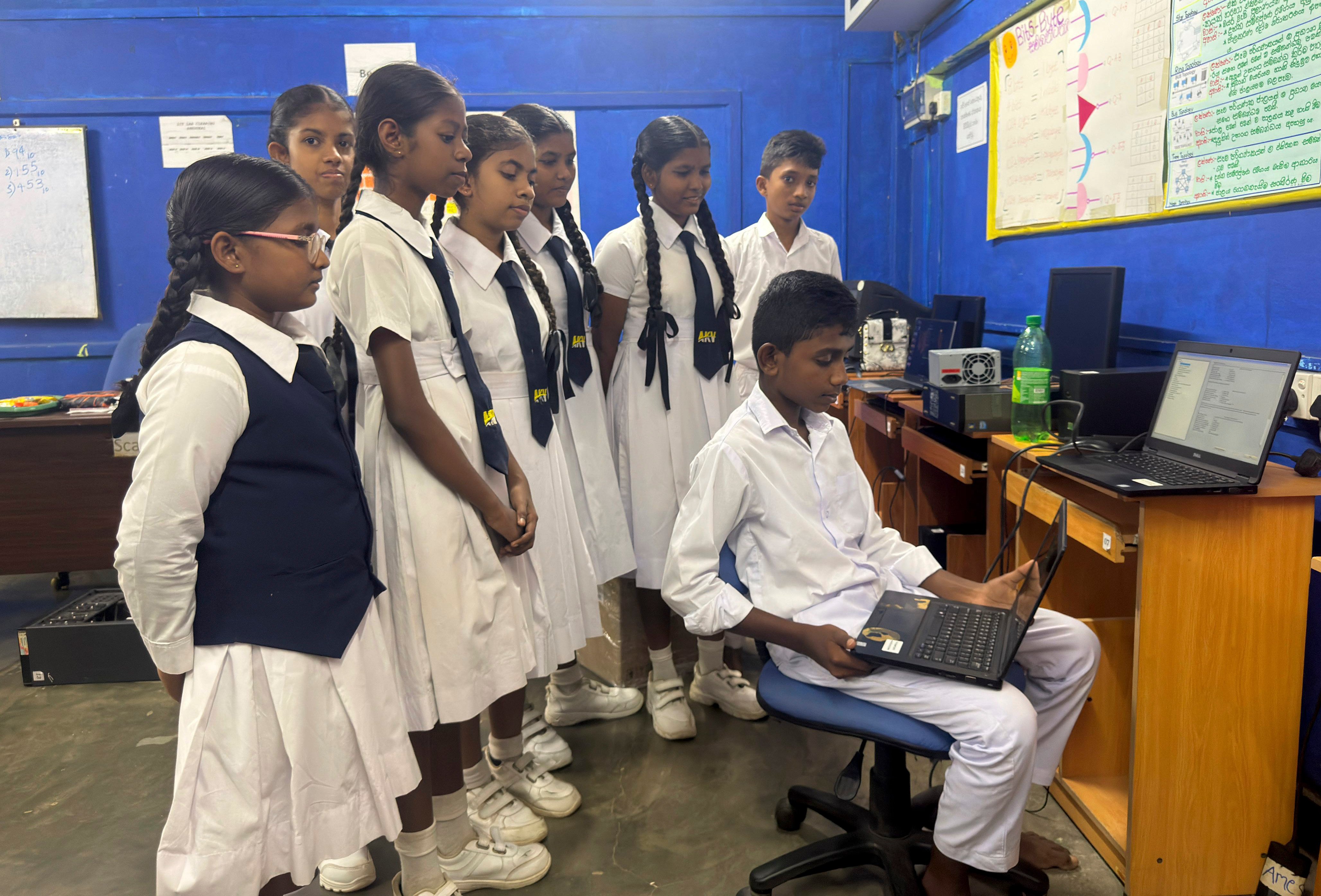
Bridging the digital divide between rural and better-equipped urban schools, the Rotaract Club of the Informatics Institute of Technology embarked on a yearlong project to refurbish computers, update software, rewire classrooms, and upgrade furniture. “The project transforms under-resourced classrooms into complete digital learning environments,” says Aathif Asmi, the club’s president. The five labs benefit 1,000 students, in addition to teachers, who received training. Standard Chartered Bank provided 10 laptops for each school, but the Rotaractors emphasized reuse to reduce electronic waste, Asmi notes. “For many students, this was their first meaningful opportunity to use a computer,” he says. “Teachers reported noticeable improvement in student enthusiasm and confidence.”
This story originally appeared in the December 2026 issue of Rotary magazine.