A retired optician champions recognition of suicide risks
With Rotary, retired optician Serge Poulin champions recognition of suicide risks
by Joe Engleman
1 Jul 2026One day in the early 2000s, a woman selling advertising space in the phone book walked into Serge Poulin’s optometry practice in Quebec City. Besides the ads, she proposed an even bigger opportunity, one that would change the course of Poulin’s life. “There’s no better way to be known than joining Rotary,” she told him.
Poulin was hesitant, but the woman wouldn’t quit. “Have breakfast with us,” she said, “and you’ll be ready to start your day.” Poulin relented and went to a meeting of the club in suburban Sainte-Foy. Energized by the people he met, the stories they told, and the friendship they shared, he soon joined.
Not long after, Poulin experienced another turning point, this one painfully tragic. A friend he had known since childhood died by suicide, a loss that set Poulin on a path to championing suicide prevention and mental health. He brought up his friend’s passing and his own grief at a club meeting. “Have any of you experienced something like this before?” he asked. Half of the people raised their hands.
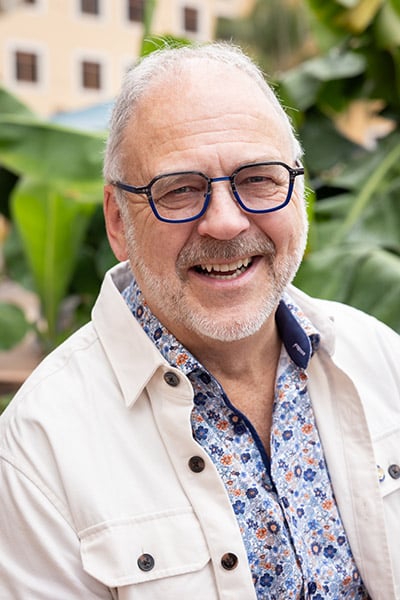
Image credit: Monika Lozinska
Eventually Poulin took a suicide prevention course known as gatekeeper training, which teaches participants how to recognize the signs of suicidal ideation and connect people with professional help. Under his leadership as governor of District 7790 in 2012-13, at least 200 Rotarians received gatekeeper training in the district, which includes parts of Quebec and Maine. He has also served on the boards of suicide prevention centres in Quebec and the Saguenay-Lac Saint-Jean region, and he is a board member for the Rotary district’s mental health action team. This year, he is again serving as district governor, and he plans to further spread awareness and training resources.
Now a member of the Rotary Club of Alma, Poulin and his club have helped schools implement a social and emotional learning curriculum. Known as Zippy’s Friends, the program supports young children developing the skills to cope with difficulties and stress, while promoting overall mental wellness.
To make the initiative more sustainable, Poulin is pushing an effort to train Rotarians to train the teachers. The idea is to introduce teachers on both sides of the U.S.-Canada border to the course. “Once we have Rotarians who are trainers, we won’t have to train them again,” he says. “They’ll be able to visit schools and share their training with teachers anytime the teachers need it.” Eight Rotarians — four in Quebec and four in Maine — will be the first to receive the new round of Zippy’s Friends training. If training the trainers becomes a successful model for implementing the program, Poulin hopes it will expand further.
Poulin has also undertaken international service trips in his own field, eye care. As with how he found Rotary, serendipity has played a part in these efforts. With an unexpected extra day in the Republic of Congo, he visited a hospital run by a husband-and-wife ophthalmologist and general practitioner who want to turn their hospital into a training hub for Central Africa. Poulin plans to send them vocational training teams of nurses, dentists, opticians, and general technicians.
On a trip to Togo, Poulin met a man without the resources to complete his ophthalmology training. They stayed in touch and Poulin raised the funds for him to finish. The doctor, who has accompanied Poulin on trips to the Republic of Congo and Madagascar, has gone on to become an epidemiologist and a member of the Rotary Club of Dapaong in Togo. As Poulin says, “Everything in the world is connected.”
Editor's Note: We regret to report that Serge Poulin passed away in a tragic car accident in Moscow, Maine, on 3 August 2026, when he was on his way to a Rotary club event in his district. We at Rotary International send our heartfelt condolences to Poulin’s family and friends.
This story originally appeared in the August 2026 issue of Rotary Canada magazine.