Peace center thrives on common ground
From vastly different countries and cultures, the first fellows at Rotary’s Istanbul peace center unite around a shared purpose
by Etelka Lehoczky | Photography by Faid Elgziry
3 Nov 2025Rotary’s new peace fellows converged on Istanbul’s Bahçeşehir University from countries thousands of miles apart: Egypt, Bulgaria, Kenya, Jordan, and beyond. But they lost no time in finding out what they had in common.
“Where else on Earth would I have met with an Israeli participant and sat and talked and debated and laughed together?” says Suaad Abdo, a Yemeni fellow who now lives in Germany. “Having different opinions can enrich our discussions and expand our horizons.”
Abdo is one of 13 fellows in the first class at Rotary’s most recently opened peace center, the Otto and Fran Walter Rotary Peace Center at Bahçeşehir. Over the course of their yearlong professional development certificate program, which they began in February, the fellows are learning the theory and practice of sustainable peace, conflict resolution, and diplomacy. After 10 weeks studying together at the center, they returned home to carry out social change initiatives they designed.
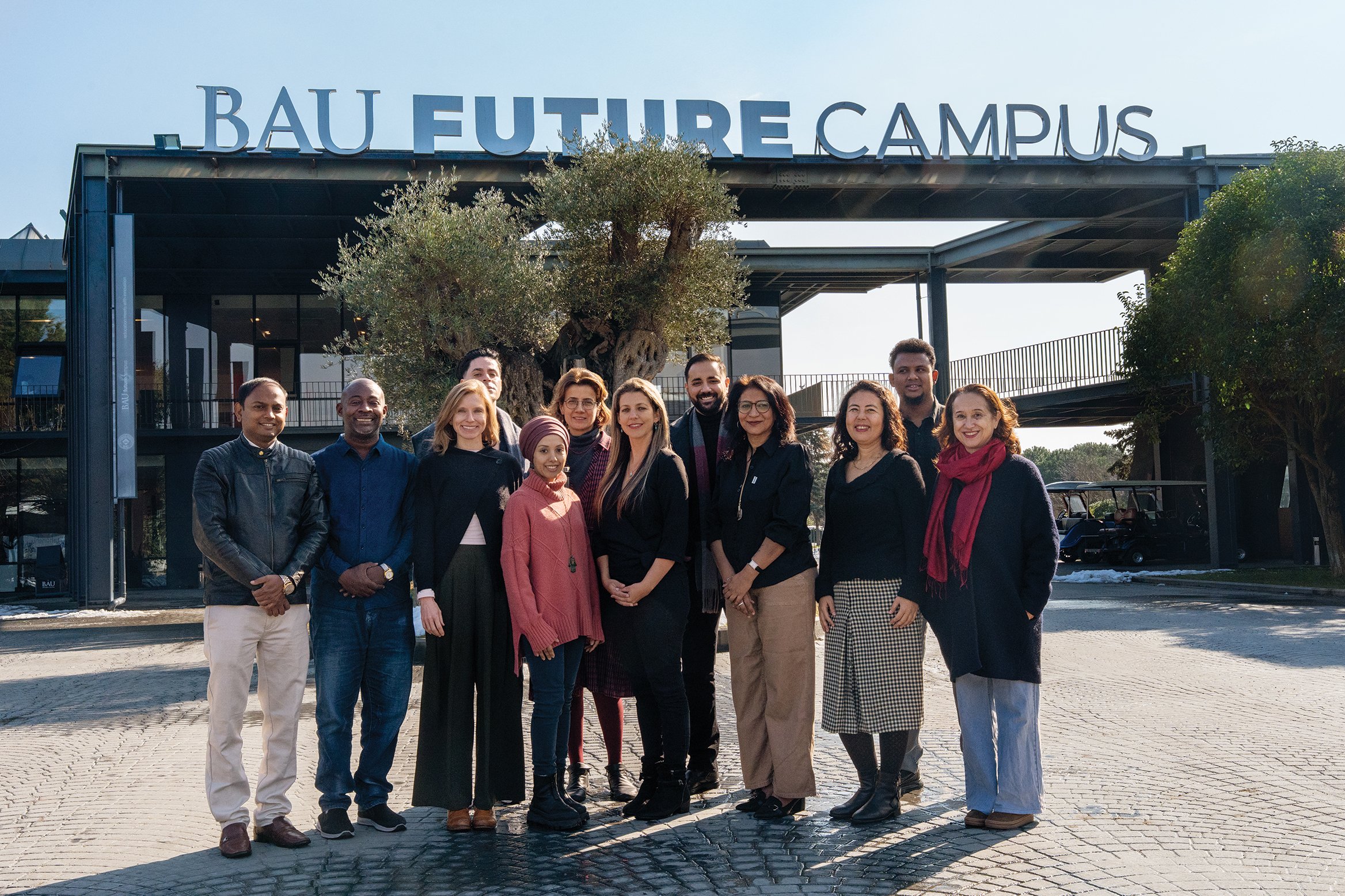
The 13 peace fellows in the first class at the new Rotary Peace Center in Istanbul have similar priorities, from supporting migrants to empowering women.
This may be a vastly diverse group of fellows, but they have similar priorities: protecting children, empowering women, and — the most common concern — supporting migrant populations. The proximity of armed conflict is another reality they share, making their time in Istanbul much more than a period of detached scholarship.
“Either they are coming from countries that are conflict-prone, or they’re coming from other countries that are going to be affected as a result of conflicts in the Middle East-North Africa region,” says Yüksel Alper Ecevit, the center’s executive director. “The projects that our fellows are designing, each in their own areas of expertise, are going to be very important for the resolution of conflicts through peaceful means.”
Suat Baysan, Rotary’s host area coordinator for the program, got to know the fellows during a field visit to the area affected by the 2023 Turkey-Syria earthquakes and a concert featuring music from the fellows’ home countries. He was impressed by their determination to recruit partners that could maximize their impact.
“Maybe just one peace fellow alone cannot do anything. But if they can convince governments and civilian organizations to get involved, they can start small initiatives which can grow,” he says. “That’s what they were all thinking: ‘Yes, I am one person, but I might spark a huge change.’”
We caught up with five of the fellows to learn about their lives, their social change initiatives, and their hopes for the future.
Suaad Abdo first made the connection between education and women’s rights when she was a university student. A girl in her neighborhood in Sanaa, Yemen’s capital, wanted to attend college, but the girl’s guardians refused to allow it.
“That got me thinking. I realized that the way I lived — the way my parents raised me — wasn’t the same for everyone. The society I lived in had a different reality,” says Abdo.
It’s no wonder then that Abdo has prioritized education in her own life. She’s studied in Malaysia, Ethiopia, and Germany and holds two advanced degrees: an MBA and a master’s degree in public policy with a focus on conflict studies and management. She was inspired to pursue the latter by the violence she witnessed in her home country during the Arab Spring uprisings of the early 2010s. She wasn’t at the pro-democracy demonstrations that were targeted by government loyalist gunmen, but she felt the danger as she encouraged her neighbors, particularly her female neighbors, to vote in elections that followed.
The whole experience left her with new questions. “I wanted to understand: What does democracy mean?” she says. “When conflict happens, what kind of decision making is behind that?”
Abdo got a scholarship to study in Germany and planned to stay only long enough to complete her master’s degree. But while she was there, Yemen was once again gripped by political violence as the country’s Houthi rebels seized control of the capital in 2014. She stayed on, learned to speak German, and came to see Germany as her home.
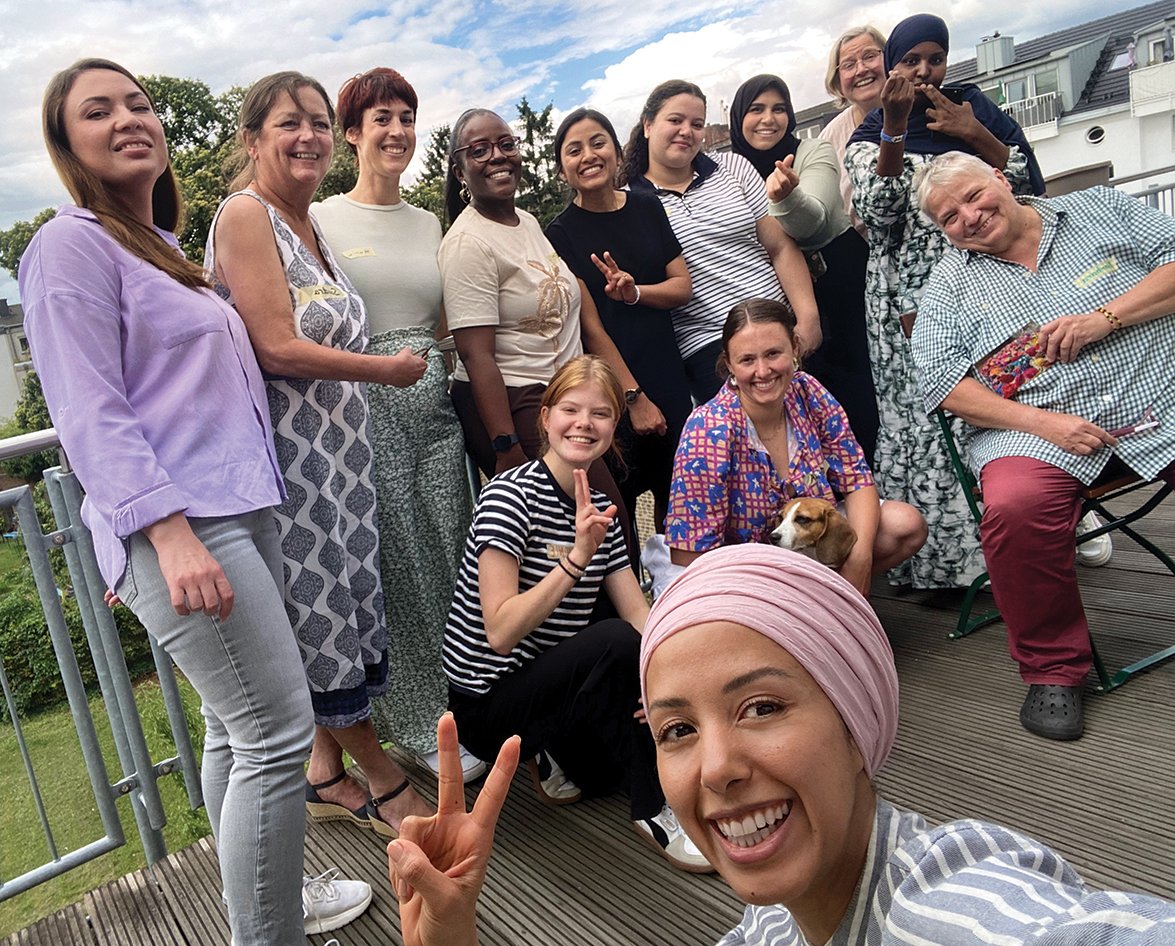
Suaad Abdo (foreground) poses with participants in a computer skills workshop for migrants in Germany that she organized as part of her social change initiative. Courtesy of Suaad Abdo
Abdo sought out work assisting the large numbers of migrants arriving in Germany in the mid-2010s. After volunteering as a translator at a government reception center and working at a nongovernmental organization that provided care to migrant children, she went on to lead a team at the International Organization for Migration that helped migrants returning to their home countries.
Abdo unites her two areas of interest — democracy and migration — in her social change initiative to forge relationships between female migrants and German women who act as mentors. The migrant women learn the basics of the German language along with computer and financial skills. The German women learn the migrants’ stories.
“I wanted to create a space where they could ask uncomfortable questions like, ‘You wear a headscarf. What does that mean to you?’” Abdo says. She quickly discovered they were inclined to talk about what they had in common.
“Women are women everywhere, regardless of where they come from,” she says. “They talk about family, about kids, about love, about career. These issues are universal.”
Engaging religious leaders for social change and addressing climate-driven gender-based violence
Building social cohesion among youth affected by conflict through community dialogue, educational and psychosocial support, and peacebuilding skills
Peacebuilding in Somalia through social media and digital dialogue facilitation training
Mobilizing resources and partnerships for the care of vulnerable street children in Senegal
Empowering youth through peace education, community service, and leadership training
Facilitating peace skills workshops and structured dialogue for youth and families in post-conflict Iraq
Increasing access to quality education and mentorship for youth and girls with community-led solutions to stop child marriage
Helping women from Syria and the Middle East-North Africa region enter the labor market
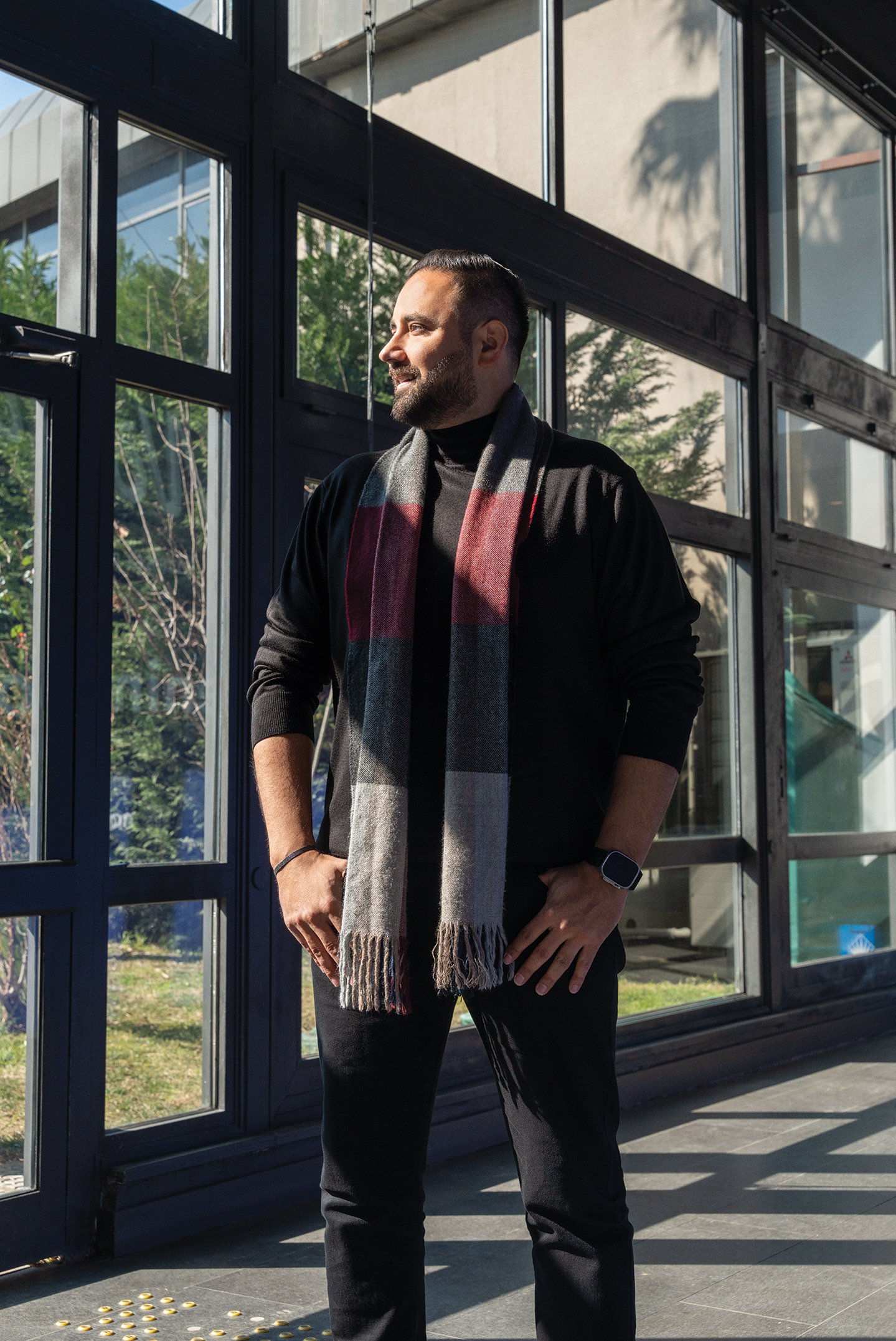
For his social change initiative, Morad al-Qadi is using media literacy training to address hate speech, misinformation, and disinformation.
Morad al-Qadi cultivates peace by cultivating people. Whether he’s helping community groups write grants or bringing refugees and local leaders together over dinner, he’s always seeking to awaken untapped potential. He’s even staged interactive theater productions that make the audience part of the show — to prove that no one should be sitting on the sidelines.
For his social change initiative, Morad al-Qadi is using media literacy training to address hate speech, misinformation, and disinformation.
“I’m not a professional actor, but I participated in five interactive plays that promoted peace. We’d present a story and then ask someone in the audience, ‘If you’re in my shoes, what are you going to do?’” says al-Qadi. “Then we’d ask the audience, ‘OK, what do you think about what they did? Could you suggest a different solution?’ And people would start coming up with better solutions to peacefully resolve the conflict.”
For his social change initiative, al-Qadi is training 10 young journalists to hone their media literacy skills. Then he plans to guide them in developing an online awareness campaign and other tools to educate the public about media literacy.
“This awareness campaign can be promoted widely in Jordan, addressing hate speech, misinformation, disinformation, and fake news,” he says. “It will show people how these problems affect social cohesion, social stability.”
In his previous work, al-Qadi addressed an issue of importance to many of the other peace fellows: unrest in response to influxes of migrants. In Jordan, he has helped people who fled the civil war in neighboring Syria. One of his most pivotal projects was teaching conflict resolution to more than 100 community leaders and police officers around Jordan. All the leaders had dealt with escalating tensions. Before al-Qadi came along, they usually just called in the police.
“The police were like, ‘OK, what should we do? Send them back to their country.’ That was almost always the decision: If there’s a Syrian involved in a conflict with a Jordanian, just send the Syrian back,” al-Qadi says. “It was like sending them to their deaths.”
Al-Qadi has also traveled to Turkey for an initiative that helped Syrian community organizations function more effectively. He showed eight small organizations how to apply for funding, develop long-term plans, and organize peacebuilding activities. One such project, Arts for Peace, brought Arab and Kurdish musicians together. Each group of musicians taught the other how to play traditional instruments, and the project concluded with a joint concert.
Even as he witnessed inspiring moments like this, al-Qadi sought to teach a crucial, uncomfortable lesson.
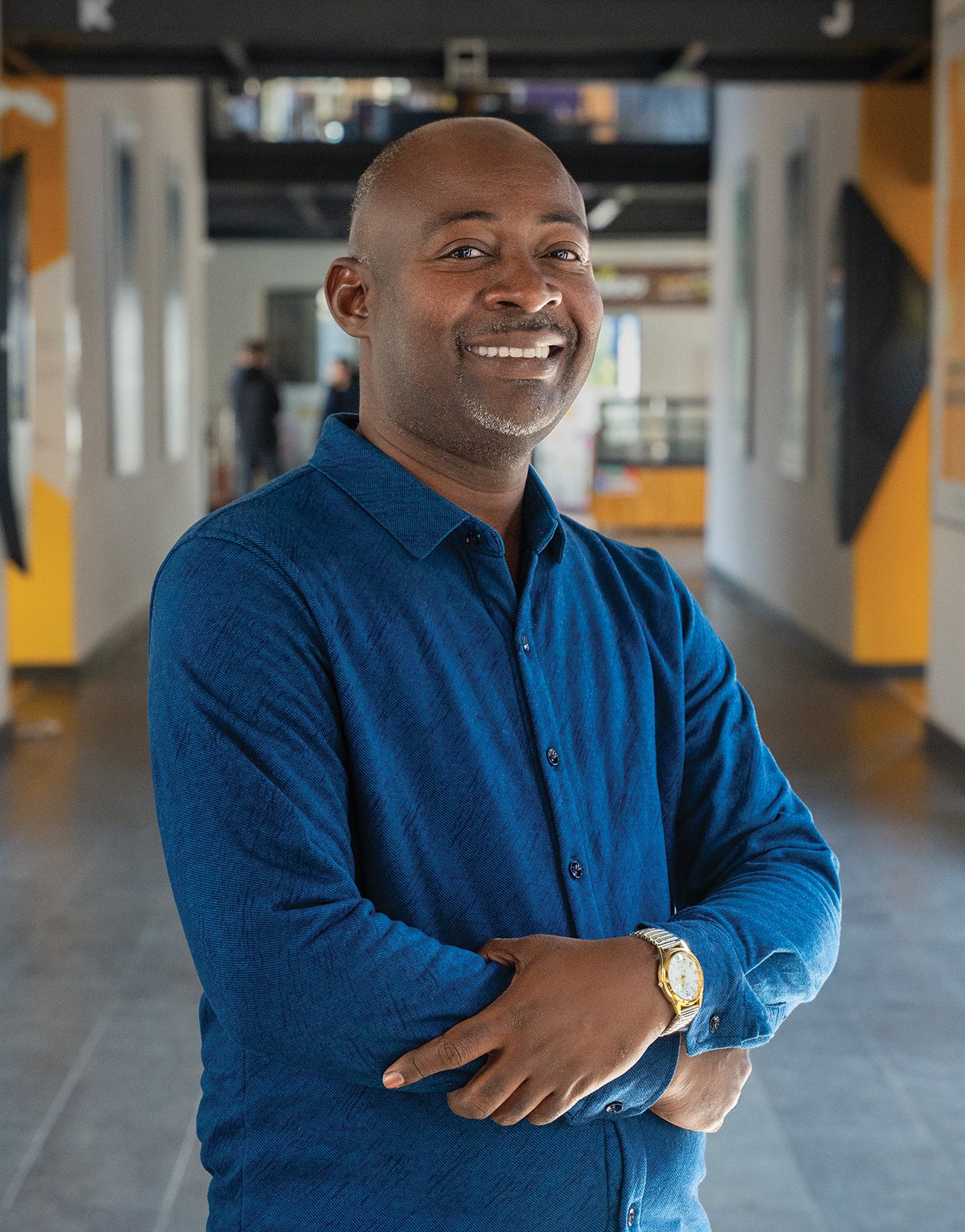
As the son of a Kenyan mother and a Somali father, Shee Kupi Shee is committed to helping refugees integrate into Kenyan society.
Shee Kupi Shee knew from childhood that he wanted to help refugees. You could even say it’s in his blood. In Kenya, border communities like Shee’s hometown of Kiunga have long seen influxes of Somalis seeking relief from conflict and drought-induced food shortages. As the son of a Kenyan mother and a Somali father, Shee identified with the native residents and the refugees. He got a close-up view of the hardships the migrants faced.
“At 5 years old, I saw my aunt being treated as a refugee,” says Shee, 40. “She was not allowed to mix with us. She was not allowed to talk to us. She was confined to a camp close to the border. Once, I was taking her a plate of rice and fish and I was told, ‘No, you can’t come at this time. Come tomorrow.’ So I saw a lot of indifference.”
Shee’s neighbors stigmatized the newcomers, saying they were probably criminals. But Shee disagreed.
“There’s no difference between me and a refugee,” he says. “We’re all human beings. We have one blood. We are all created by God.”
That view is still tested today in his home region near the Somali border, where Shee works for the local government. The area experiences frequent incursions by the Somali militant group al-Shabab. That sometimes makes it impossible for Shee to do his job of connecting far-flung communities there with government services.
Militants have planted land mines on the roads, requiring Shee to get creative to help his constituents, particularly the region’s Aweer people, whose traditional hunter-gatherer way of life is under threat from the spillover of conflict. He’s flown in Kenyan military helicopters to deliver supplies to them and accompany teachers coming from other areas. In 2017, a military vehicle carrying children to school hit a roadside bomb, killing eight people.
Shee had the idea of renting a boat to carry children to school instead. The plan didn’t prove sustainable, but that didn’t dissuade Shee from his determination to help the remote community.
“They have a right to have their say,” he says. “They have a right to development, and they have a right to have their voices included in government decision making.”
Shee also remains committed to helping Somali refugees integrate into Kenyan society. His social change initiative aims to foster understanding between native Kenyans and Somalis in Kiunga village. By teaching the two groups about each other’s culture and showing them what they have in common, he hopes to prevent conflicts over the area’s scarce land, food, and water.
“I want the word ‘refugee’ to be ripped out of the vocabulary of Kiunga,” he says. “Every person should be called a sister, a brother, a cousin — not a refugee.”
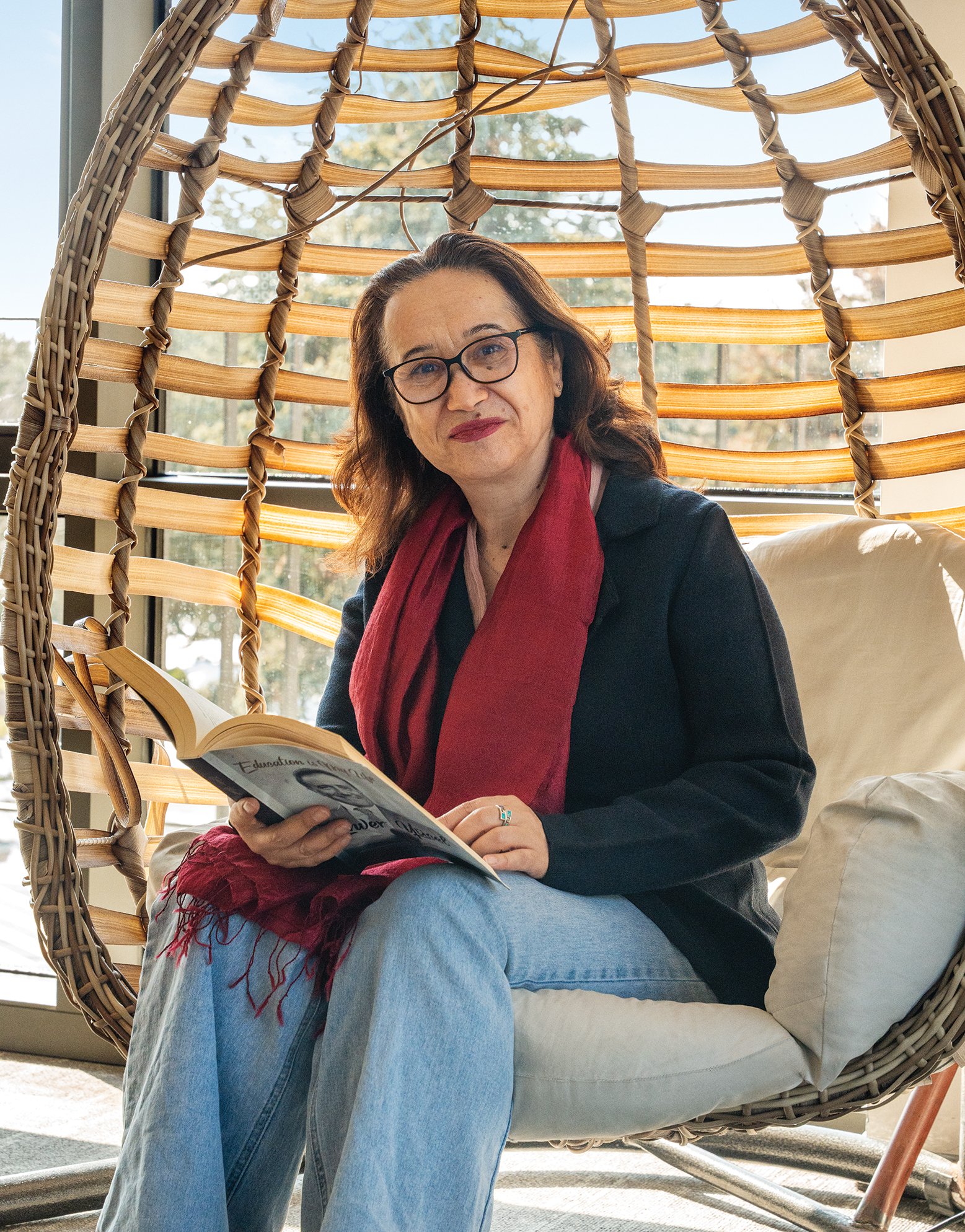
Buoyed by early success, Angela Antonova plans to expand her social change initiative, which helps Bulgarian children separated from their parents.
Angela Antonova brims with infectious enthusiasm. Back in 1995, that enthusiasm helped her create Bulgaria’s first professional organization for social workers even though the former communist country hadn’t had them for many years.
“Social work was a totally new profession for countries in Central and Eastern Europe, the former socialist countries,” says Antonova, 58. “Raising awareness and building public understanding of the role and value of social work, including in building peace and preventing conflicts, is essential for the profession’s success.”
In 2023, her enthusiasm fueled the launch of a program to provide psychological support to health practitioners working with Ukrainian refugees. “These people started to experience the symptoms of their clients,” she says. “When you are working constantly with traumatized people and you’re being bombarded with horrific news, you’re vulnerable to vicarious trauma.” The program included an anonymous helpline so practitioners could reach out without fear of being stigmatized.
And this year, Antonova’s enthusiasm propelled her all the way to the Rotary Peace Center in Istanbul. “Please write with big, big, big letters how thankful I am to all the Rotarians who made this opportunity possible for me,” she says.
She’s already on the hunt for funding to expand her social change initiative, which helps Bulgarian children separated from their parents develop resiliency and coping skills. “We call the phenomenon self-parenting children,” she says. “These are children who are left behind. Their parents leave Bulgaria for the United States or Germany, somewhere they can work for higher incomes, but their children remain without parental support.”
Without that guidance, those young people may turn toward crime or radical militancy as adults, or they disappear altogether, she says. About 47 child migrants disappear every day in Europe, according to the group Lost in Europe.
Antonova’s project aims to forestall these dark outcomes with a simple strategy: It sends the children to school. In specialized classes the children learn skills to function in society. Perhaps as important, they also get the chance to socialize with other children. One of the classes’ most popular offerings is the “love bank,” where the children can deposit envelopes containing affectionate messages for one another.
Antonova says that about 150 children have officially completed the program, while many more have turned up for the classes without being enrolled. She hopes to expand the program if she can find other funding sources or other NGOs with which she can partner.
“These young people are vulnerable to antisocial behaviors and radicalization,” she says. “This gives them an alternative. They see that they can fulfill their dreams without using violence.”
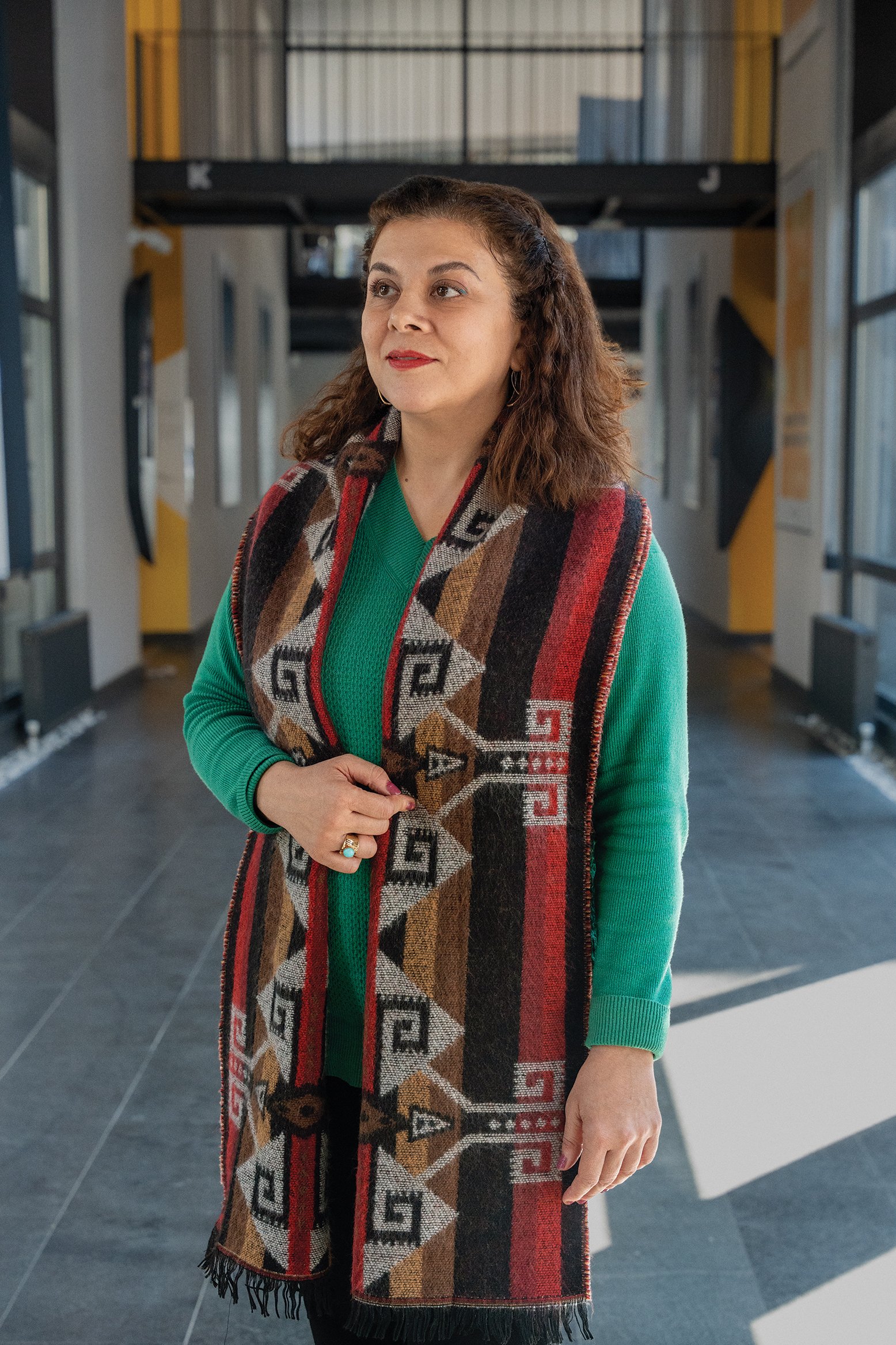
New to large-scale field projects, Mariam El Masry enjoys collaborating and exchanging ideas with other fellows over their WhatsApp messaging group.
Mariam El Masry knows that making an impact sometimes means recognizing opportunity when you see it. While launching her social change initiative, which involves teaching Sudanese refugees how to make and sell handicrafts, she met some migrants who instead hoped to learn a different skill.
“I found a group of young men and women who’d either worked in the media before or were simply interested in learning about film directing,” says El Masry, 51. “Their goal was to make short films documenting their daily lives in Egypt. I found this idea very new and pertinent.”
So she took that on as well. And while grappling with the practicalities, she happened to meet a director. “He teaches filmmaking for very reasonable prices, sometimes even for free,” she says. “So now this will be a little side initiative beside my big one.”
El Masry chose to help Sudanese refugees in particular because Egypt and Sudan, besides sharing a border, are close historically and culturally. “They are the most numerous refugees in Egypt today after the [onset of] war in Sudan, and they face many difficulties,” she notes. “Refugees today represent the most serious humanitarian crisis.”
This is the first time El Masry has spearheaded a project — or projects — involving this much fieldwork. She has spent nearly two decades working at the Arab League, with a break when she got a scholarship to complete a master’s degree in Middle East politics at the University of London’s School of Oriental and African Studies.
At the Arab League, El Masry worked for a time in the disarmament and nonproliferation department, where she reported on the Iranian nuclear program. Currently she monitors the politics of West African countries and the creation of a new African-Arab center for exchanging information on migration.
As someone who spends much of her time “writing reports and attending meetings,” El Masry was thrilled and a bit nervous to undertake her social change initiative, not to mention launching the second one. She has found the other peace fellows to be invaluable sources of advice and encouragement, especially the indomitably outgoing Suaad Abdo.
“At the beginning I was a bit lost,” El Masry says. “I got a lot of opinions from my friend Suaad, because she’s doing something similar. We encourage each other. All the fellows have a WhatsApp group, and we exchange ideas.”
Staying in touch with the other fellows has emboldened El Masry. She hopes to launch a third initiative that would train Sudanese refugees who are lawyers to advise other refugees about their legal rights.
“At the beginning I thought, ‘The easy way out is to just stick to one thing,’” she says. “But then I said, ‘Why not, if I have the opportunity?’”
This story originally appeared in the November 2025 issue of Rotary magazine.
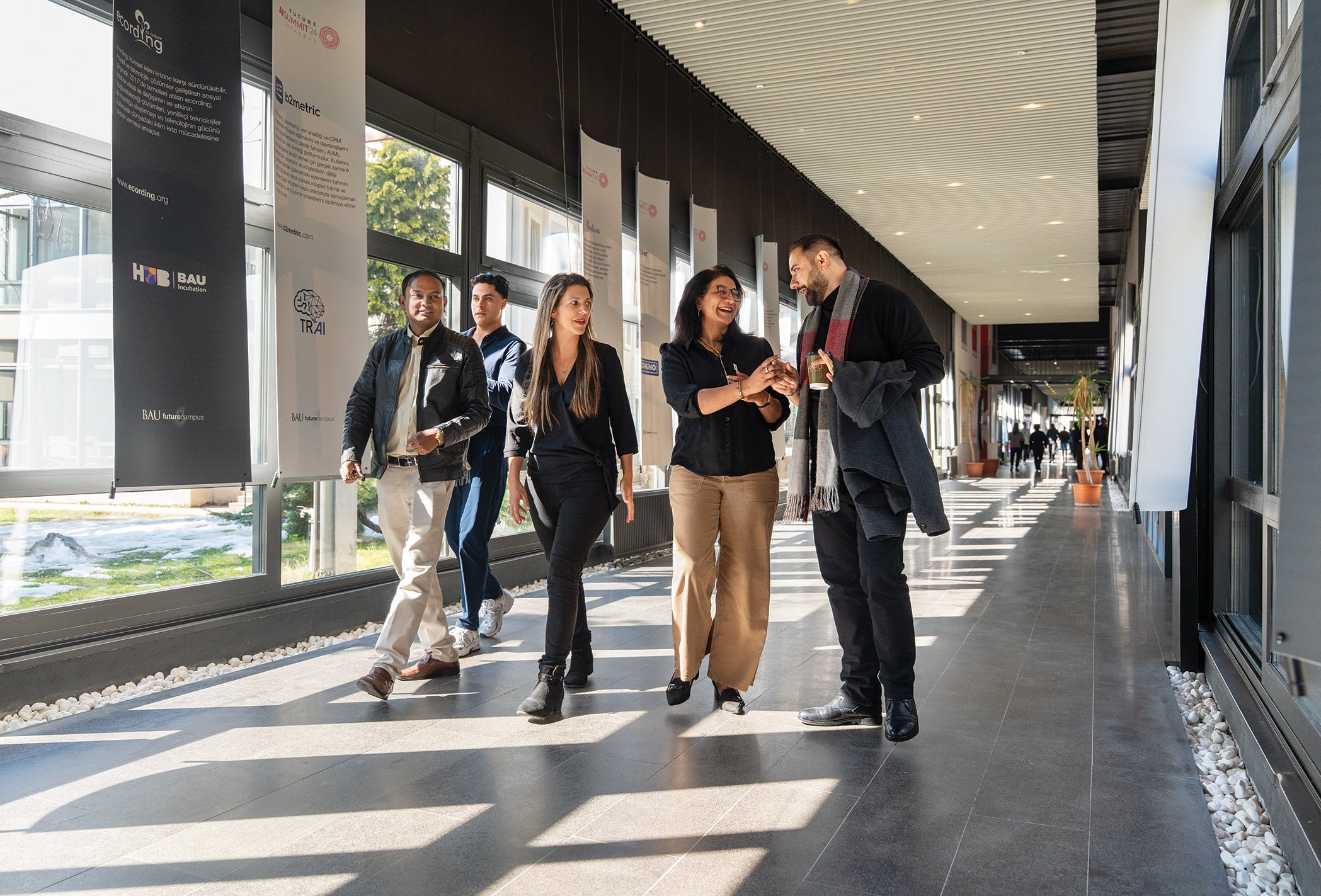
Rotary Peace Fellows study disciplines related to peace and development at one of Rotary’s partner universities. The process by which Rotary selects peace fellows is rigorous. Rotary and Rotaract members can identify possible fellowship candidates in their social and professional networks, nearby universities, local governments, and non-governmental organizations. Members can send potential candidates information about the program using this referral form.
Rotary and Rotaract clubs can also work with their district Rotary Peace Fellowship subcommittee chairs or district Rotary Foundation chairs to recruit and recommend candidates. Learn about candidate eligibility and qualifications. Applicants should be early- or mid-career professionals with peace and development expertise and potential for future growth and impact as leaders in the field.
Candidates must complete an online application. To learn more about Rotary and get help with the application process, they can use the Club Finder tool to connect with a local or online club. Candidates are required to be proficient in English, have bachelor’s degrees, and meet other requirements.
Rotary International staff members, trained Rotary members and alumni, and university partners review fellowship applications. The review teams look for eligible candidates who have relevant experience and demonstrate a commitment to peace and development, leadership and impact potential, academic achievement, and other qualities. Rotary peace center committee members and university partners select the finalists, who are then referred to trustees of The Rotary Foundation for approval.
Fellowships cover tuition and fees at a Rotary Peace Center along with room and board, round-trip transportation, and internship and field study expenses.