A classic car repair program opens path for at-risk youth
A Rotary‑supported classic car repair program helps at‑risk youth build skills, confidence, and pathways to education and meaningful careers
by Katya Cengel
1 Feb 2024Photography by Ian Tuttle
Natalia Montiel pulls on yellow work gloves and bends over a piece of notebook-size metal. The energetic teen with long black hair holds a cutting torch in one hand and places her other hand underneath. “Is this the hand that guides me?” she says, turning to Tom Forgette, her instructor in the art of classic and antique auto repair.
“Steadies it,” corrects Forgette. “I’m the one that guides you.”
Forgette, an instructor of some renown in this part of central California, is nothing if not precise. Minutes earlier he instructed Natalia to wait until a feather of flame appeared, then to adjust it using the oxygen valve. Now Forgette watches as Natalia uses the torch to cut the metal, a skill she’ll need to perfect for auto body repair. “You’re a little too close,” he says, then adds, “Now you moved too far away.”
In an airy garage with a high ceiling and open entrance, surrounded by car parts, stacks of tires, and tools, Natalia bends closer. A strip of metal falls to the floor. A straight cut. That is what Forgette wanted. Had Natalia done it wrong the metal would have stuck. Still, Forgette makes his pupil repeat the process. She doesn’t complain. And Natalia, who is wearing mascara and silver hoop earrings, quickly earns his respect in what remains a male-dominated craft. “She’s just going for it,” Forgette says.
The youngest of six, Natalia grew up watching her father, David, fix cars. In his native Mexico, he was a mechanic. In Salinas, in California’s Central Coast, her dad fixed cars for family members. Natalia helped him, passing him tools and holding a light. She knew she could do more, but her father didn’t think of his “princess” as a future mechanic.
As she got older Natalia forgot about cars and found herself on a precarious path, surrounding herself with friends who were unmotivated and into marijuana. It felt like she was “living the same day over and over again,” she recalls. “Not really like going anywhere.”
During her junior year of high school a counselor suggested an alternative vocational school called Rancho Cielo that also helps with social services and life skills. When Natalia heard the nonprofit organization had an automotive program she signed up. “I was like, ‘Wow, that’s perfect. That’s literally what I am looking for,’” she says.
Natalia started the program in November 2022. By the following July, she was one of six students in the school’s classic and antique auto repair course learning under Forgette.
Monterey County, where Salinas is located, is one of the biggest classic and antique car hubs in the country. Classic and vintage car races are held each year at the world-famous WeatherTech Raceway Laguna Seca. And then there’s the Pebble Beach Concours d’Elegance, which bills itself as the world’s most prestigious car show. “As someone who’s grown up in Salinas, I’ve always been so fascinated looking at the classic cars that go up and down the main streets,” says Natalia. “To think of myself working on one, it’s very exciting.”
It was this automotive legacy that inspired Rotarians Mark Grandcolas and Richardson “Ric” Masten to create the classic and antique auto repair course. In some ways they are an unlikely pair. While Grandcolas favors slim fit khakis and loafers, Masten wears dress shoes and slacks. “Mark’s the backroom guy,” says Masten, an 85-year-old former stockbroker. “And he’s also the front.”
A 67-year-old engineer, Grandcolas retired early to Mexico after his software startup made it big. It was there that he joined Rotary. He returned to the U.S. in 2019 to care for his aging mother and joined the Rotary Club of Carmel-by-the-Sea in Monterey County. He also joined the club’s Foundation committee, which Masten was then chairing. A Rotarian for almost half a century, Masten had been interested in Rotary Foundation global grants but had not yet been able to secure one.
Grandcolas had better insight, having been a member of the Rotary Club of San Miguel de Allende-Midday in Mexico, which had designed projects that were awarded global grants. Grandcolas formed a global grants enthusiast group for District 5230 and challenged members to come up with a new idea. That is when Masten thought about classic car repair.
Masten’s first car, a 1938 Pontiac Eight Cabriolet convertible with a rumble seat that he bought for $200 when he turned 16, gave him trouble, so he learned to take apart the engine. It is a practical skill that used to be commonly taught in high school shop classes. The decline of vocational training in high schools is one of the reasons Masten thought about an automotive training program. The other was the need. As the owner of two classic Bentleys, a 1937 and a 1954, and a member of multiple classic car clubs, Masten knows that the mechanics who serve those cars are fast disappearing. “There’s nobody to do it,” Masten says. “They’re retiring and dying.”
The exact definition of classic cars varies. Grandcolas includes anything made before 1983; others say 1975 or even anything more than 20 years old. Then there are the subcategories of vintage, antique, and collector cars. What’s not up for debate is that mechanics trained to work on modern cars can’t simply switch over to classic auto repair; it’s an entirely different craft. By the 1980s the automotive industry was rapidly transitioning from mechanical to electronic components, explains Grandcolas. No more carburetors, no more distributors. “To fix a modern car today you need a computer to run diagnostics,” says Grandcolas. “That computer would be of no use in a classic car.” For older cars, he explains, “you need somebody with an ear and with eyes.”
It isn’t just the inside of a classic car that is different. Unlike modern cars that use various plastic parts on the frame and body, the exteriors of most classic cars are made entirely of metal, which is more difficult to repair and replace. Although those trained to repair the cars may be dying out, classic cars are not. In the U.S. alone there are around 31 million collector vehicles, according to research conducted by Hagerty, a provider of specialty insurance for classic cars.
The Rotarians knew the demand was there and that the training could offer a path to college and well-paying careers for young people. They just needed a place to host the program. For that, they turned to Rancho Cielo.
The ranch was the unlikely dream of retired Judge John Phillips. A slim, tall man of 81 who plays racquetball on Wednesdays, Phillips served as Monterey County’s assistant district attorney in his younger years. His job was to put people away. In 1984 he was appointed to the Monterey County Superior Court. In both roles he watched as gangs became more prevalent in the county. Toward the end of his career, he found himself sending teenagers to prison for life. “Most of these kids had lost hope for the future,” he says. “It’s really easy to pull the trigger if you don’t have any hopes or dreams or anything.”
In 2000 Phillips founded Rancho Cielo, a program designed to offer young people who committed first-time offenses an alternative to incarceration, along with a fresh start. He built the program on a rural site that had once been a juvenile incarceration facility. Phillips leased the land from the government and got to work. With an operating budget of $75,000 and a staff of almost none, besides his wife, Patti, he welcomed the first class of about a dozen youths in 2004, the same year he retired. From there Rancho Cielo grew to what it is today, a nonprofit organization with a budget of over $5 million and a staff of almost 50.
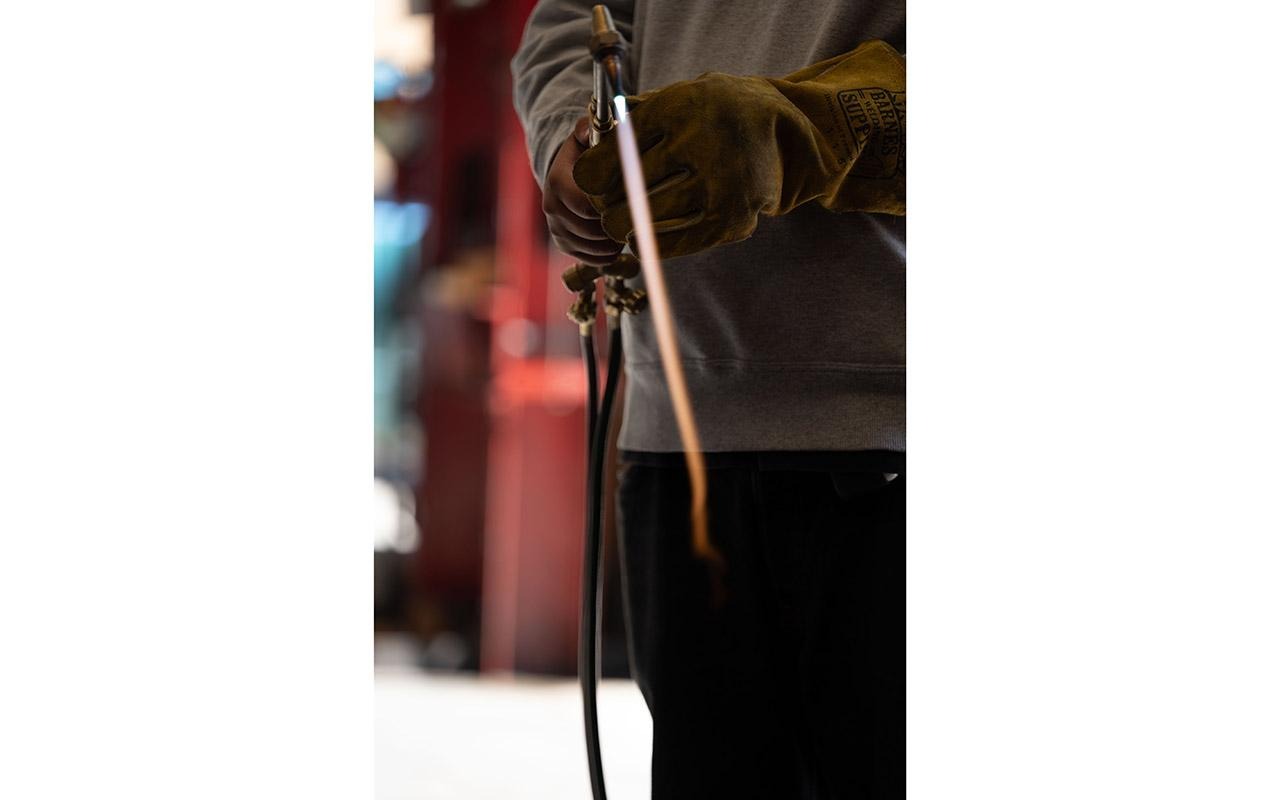
A student adjusts a cutting torch.
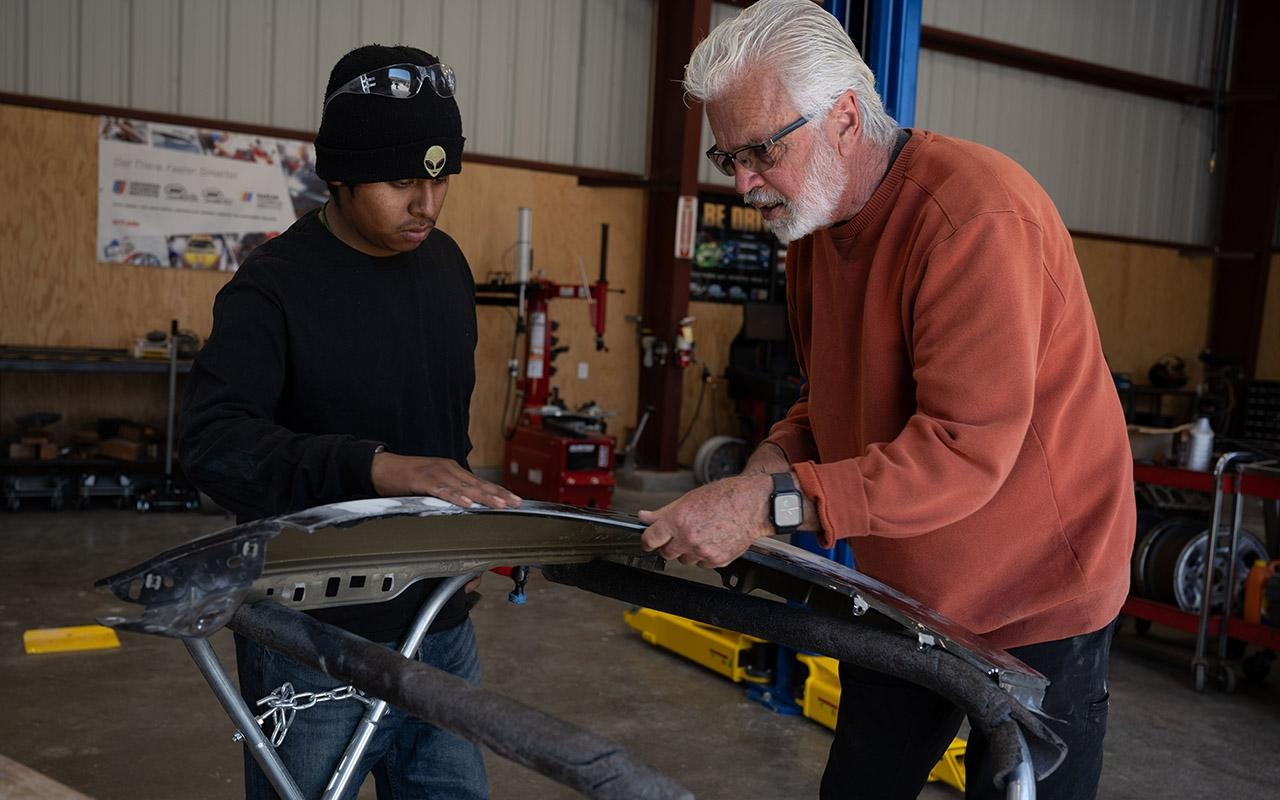
Instructor Tom Forgette works with students Natalia Montiel (right) and Abel Galindo at Rancho Cielo.
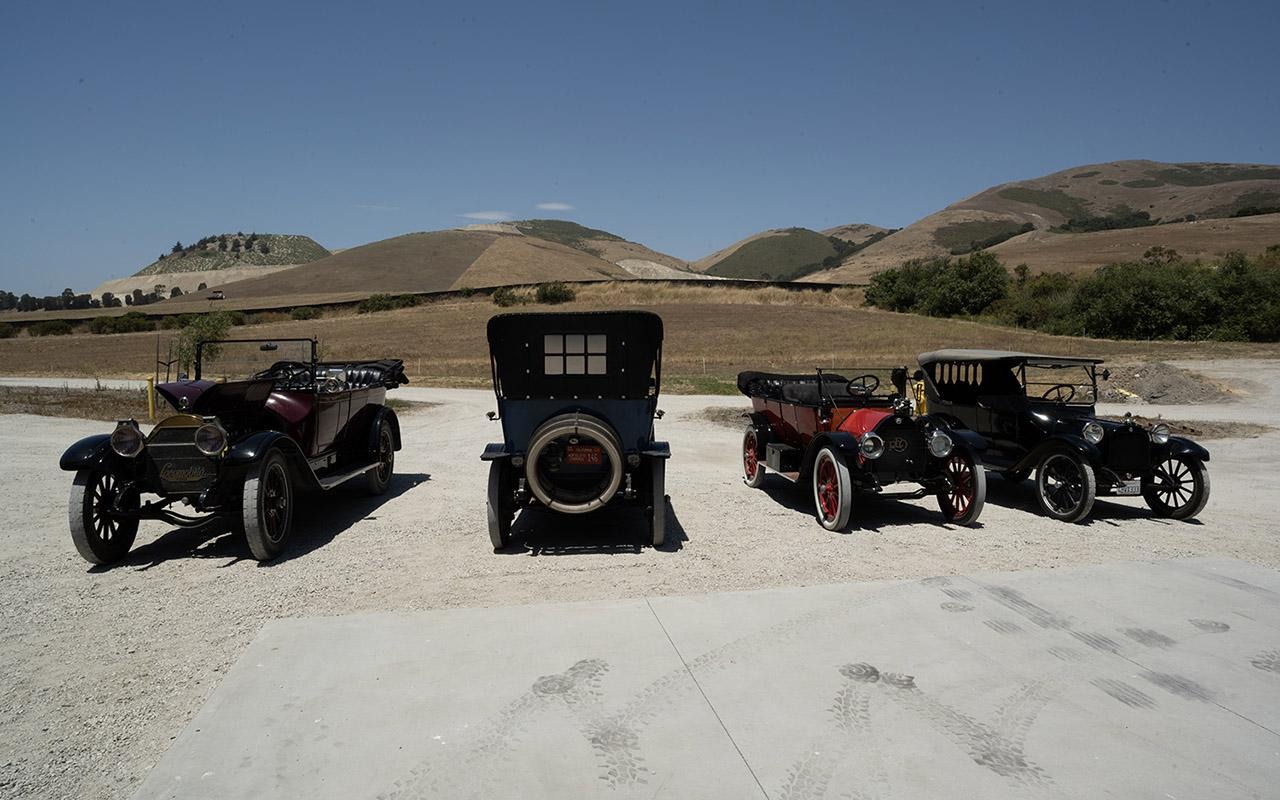
The earliest automobiles are known as horseless carriages.
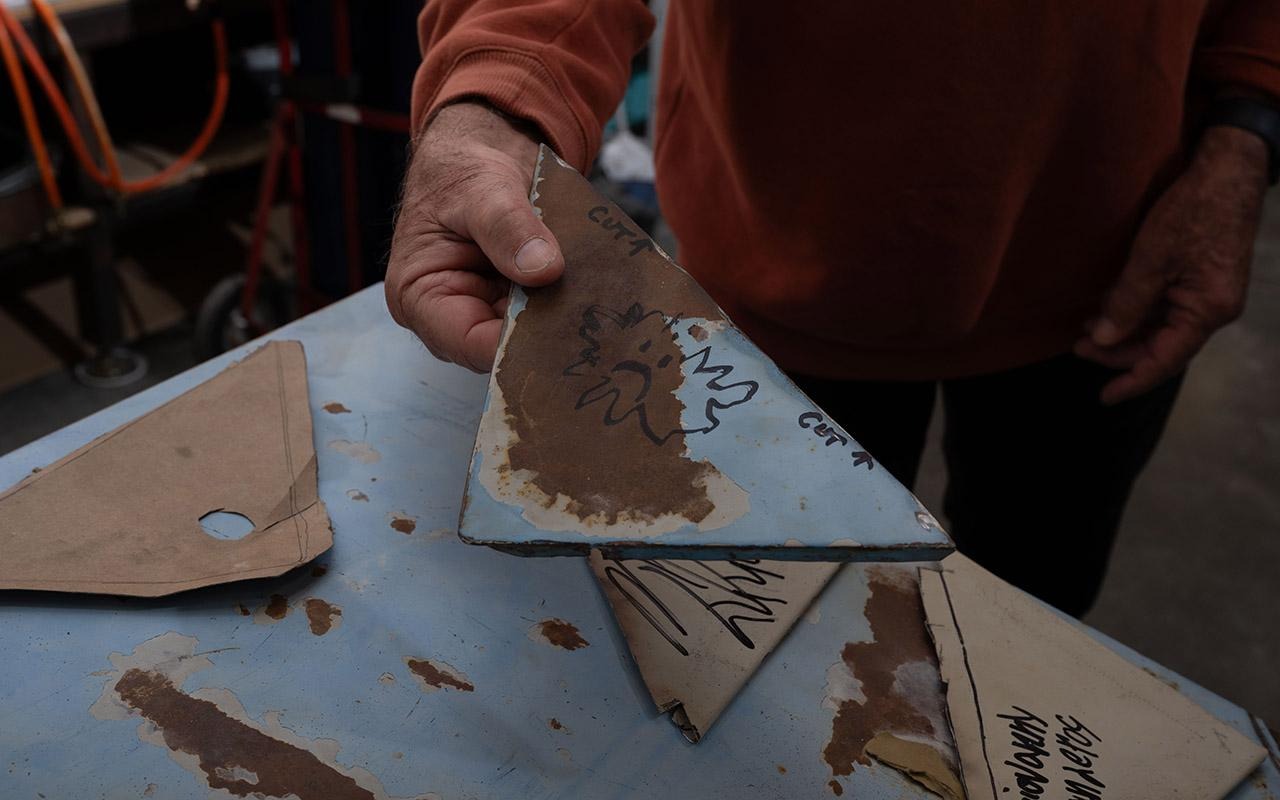
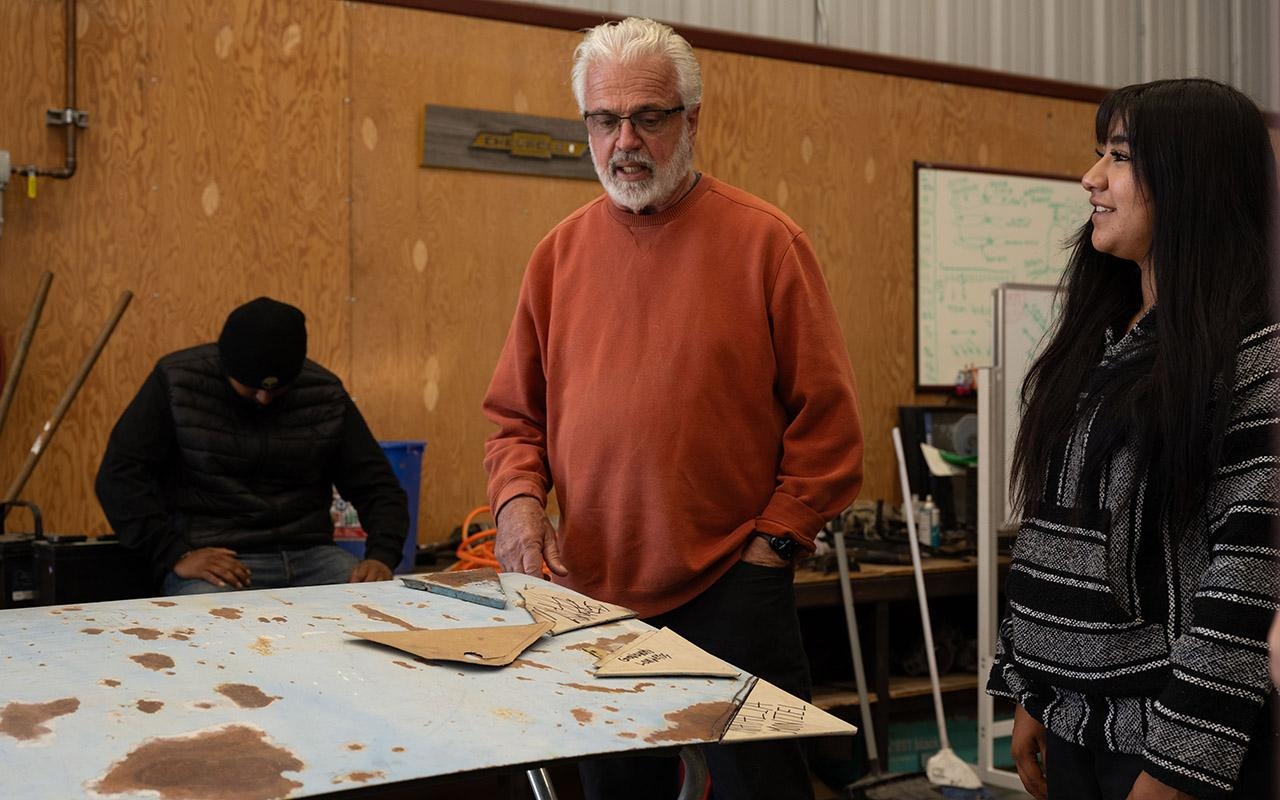
Practice cuts from a sheet of metal
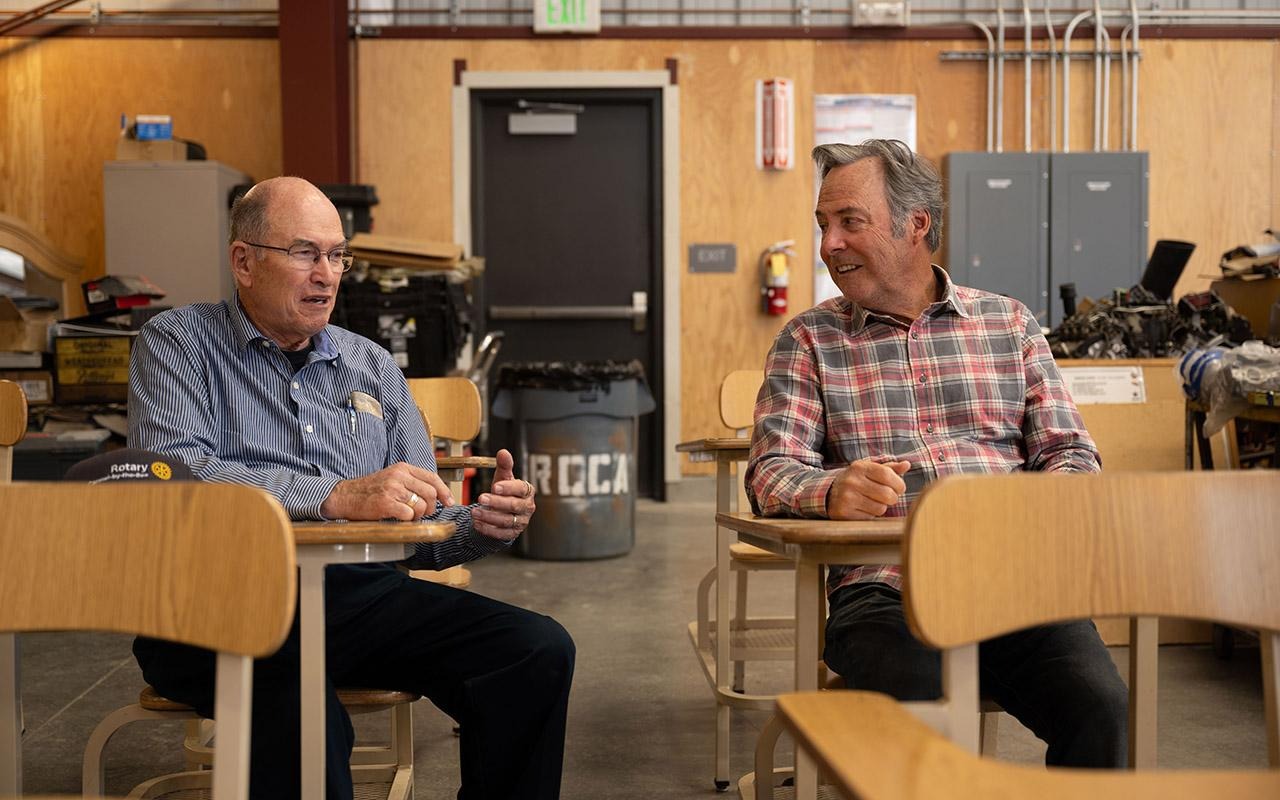
Rotarians Ric Masten (left) and Mark Grandcolas at Rancho Cielo.
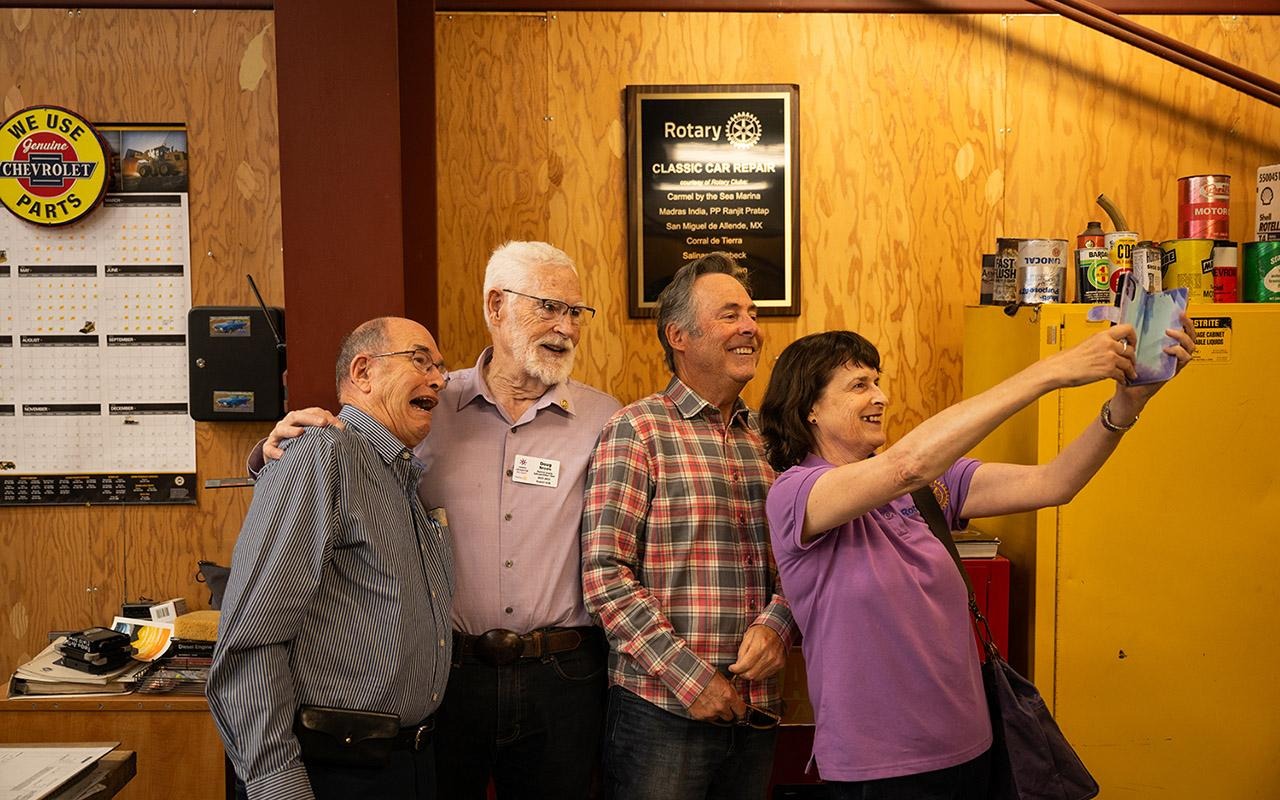
Masten and Grandcolas with fellow Rotarians Doug Brown and Debbie Hale.
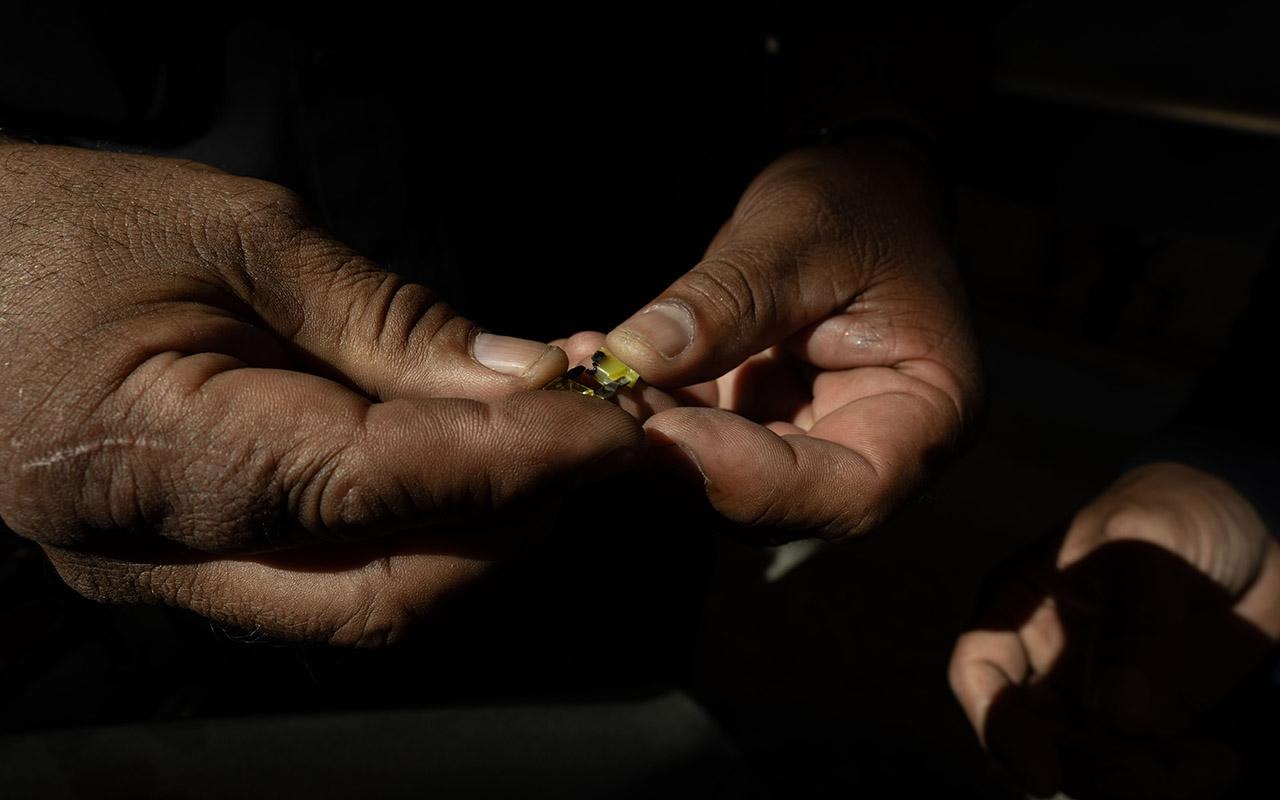
Examining a spark plug
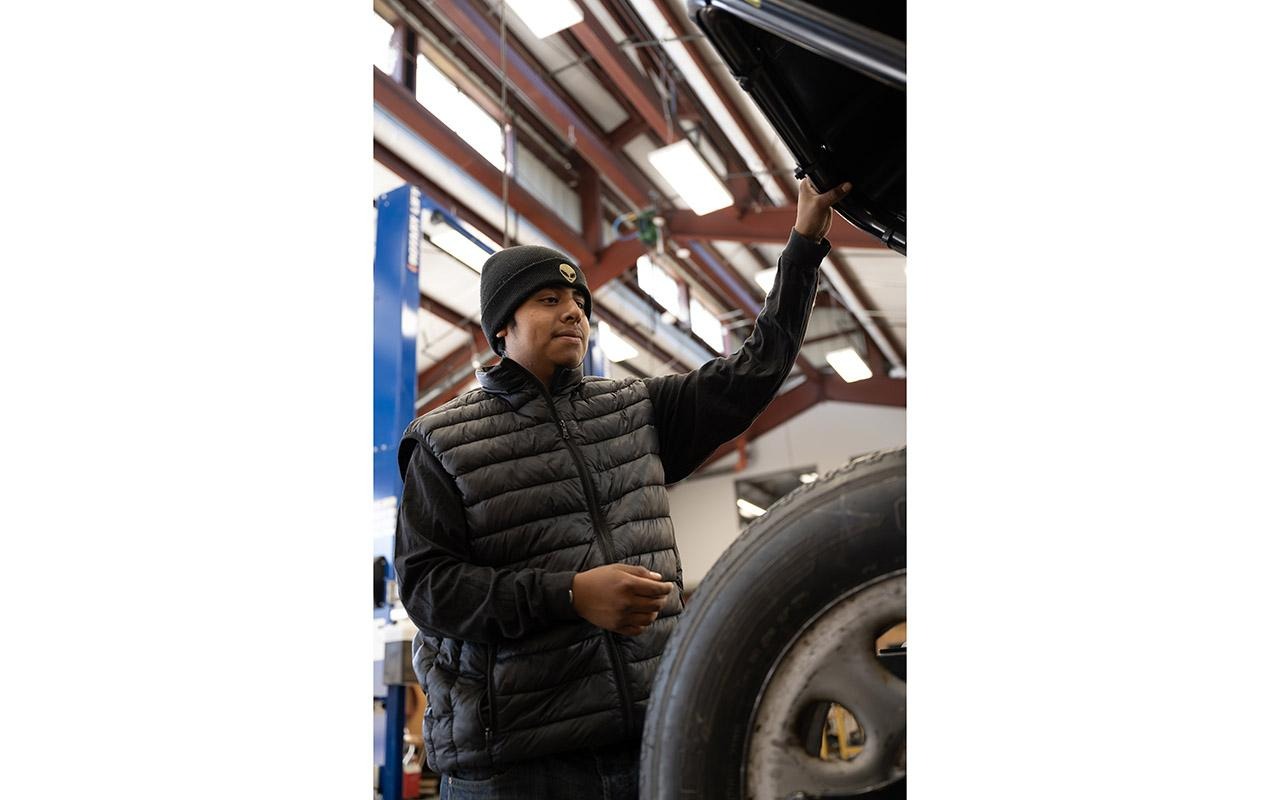
Abel Galindo balances a wheel on a vintage car during class.
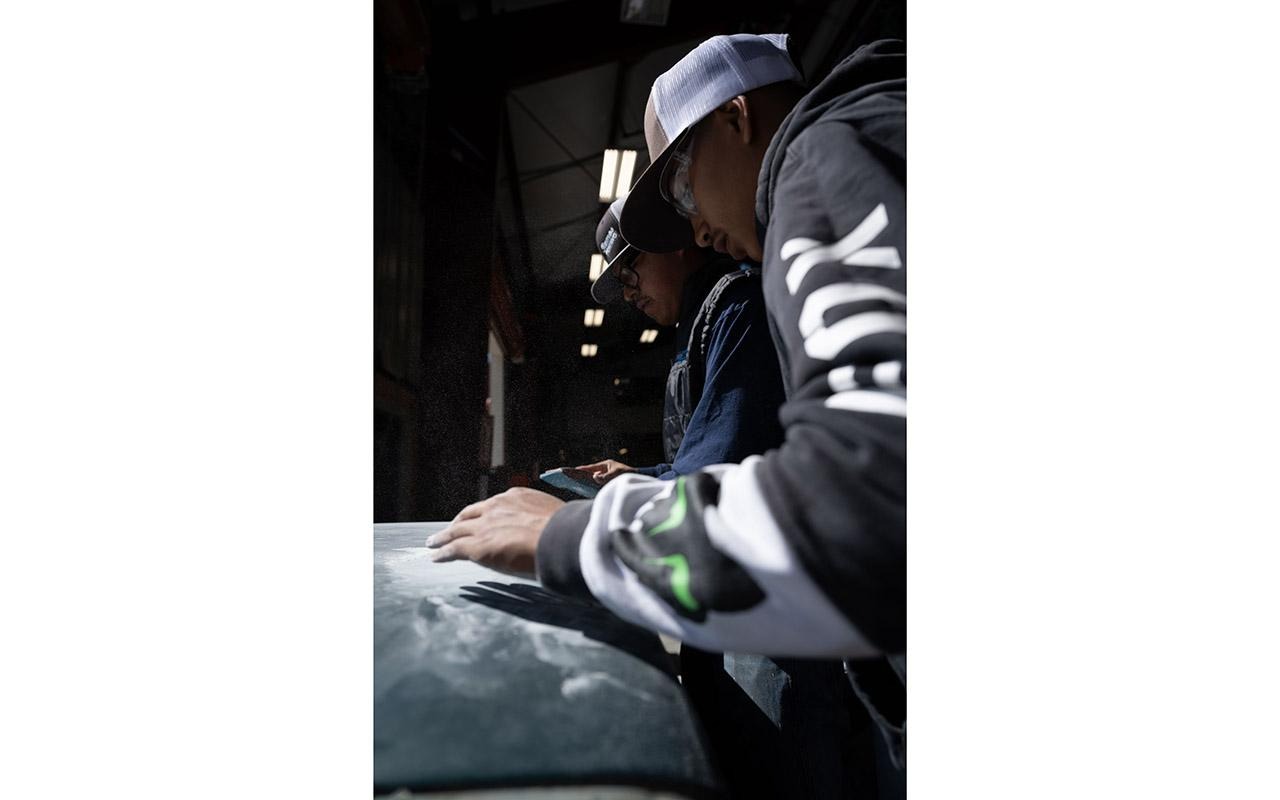
Elias Pineda (left) and Giovanny Landeros restore the body on a pickup truck.
The 100-acre site in the foothills of the Gabilan Range is a working ranch with horses, fishponds, a garden, beehives, classrooms, and workshops in long outbuildings resembling barns. Today, the program serves students from families with low income, and only about 30 percent of the 200 students on campus on any given day have been involved in the juvenile justice system. The majority are between 16 and 18 years old, and about three-quarters come from Salinas, the county seat and center of the Salinas Valley’s booming agricultural industry. Graduates of six vocational programs leave with an industry-recognized certificate and a high school diploma. Each program has a case manager. There is also a therapist. The program is free for students and they are transported to and from the campus and provided lunch and snacks. In some cases, they also receive stipends and can take part in work-study programs.
“It went from this little program to deal with at-risk troubled kids to a major vocational school, the only real vocational school anywhere around in this area,” Phillips explained during a talk at a Carmel-by-the-Sea club meeting in April 2023.
Rotary and Rancho Cielo have a long history together. Carmel-by-the-Sea member Lesley Miller Manke, using her business and personal connections, was instrumental in securing funding for one of the ranch’s first vocational programs, the Drummond Culinary Academy. Construction, agriculture, auto repair, and welding programs were added later. As Rancho Cielo grew, Manke encouraged the nonprofit to apply for grant funding from the club and invited its staff to speak at club meetings. “Our club has been following Rancho Cielo since day one,” she says.
The club isn’t the only one to support the ranch. The nearby Rotary Club of Corral de Tierra built a barbecue area at Rancho Cielo, says Doug Brown, chair of District 5230’s district grants subcommittee. Brown helped Masten and Grandcolas apply for the global grant as did District Governor Debbie Hale.
To strengthen their case and demonstrate the need for classic car mechanics, the two Rotarians identified nearly 50 shops servicing classic cars within a 37-mile radius of Rancho Cielo. Every one of the shops they visited had the same problem: They needed help. “Some of them would say, ‘If you can train a kid and get them here, I need them last week,’” says Grandcolas.
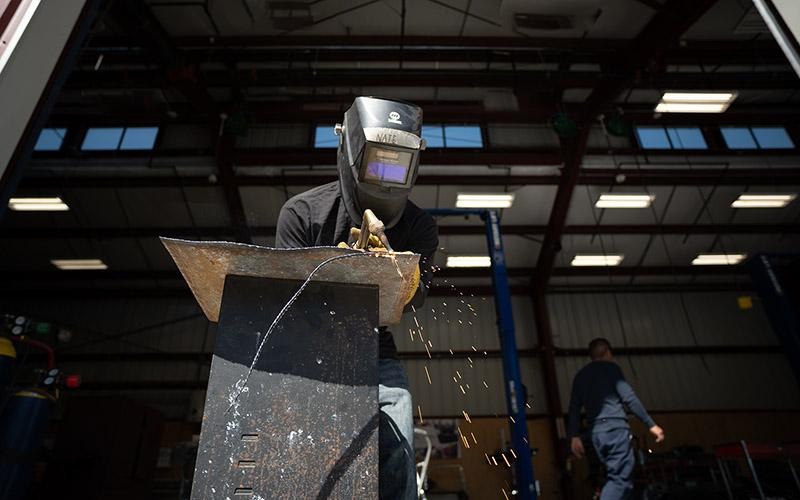
A student practices welding on a piece of scrap metal during class.
According to their research there are only three or four places in the country that teach classic car repair. None of them are in Monterey County. The data convinced Rancho Cielo CEO Chris Devers to add classic car repair to the offerings. “I’ve been doing development work for 25 years, and I’ve never had anybody drop a project in my lap or a program in my lap that well designed and funded and connected to industry, doing everything that is within our mission to do here,” he says.
The first eight-week course began in summer 2022 with 14 students, 10 of whom completed it. The first three years are funded by a Rotary Foundation global grant of over $56,000. Rancho Cielo has since received state and federal funding to keep the program running, as well as $100,000 from donors connected to the Pebble Beach Concours with promises of more if Rancho Cielo can successfully expand the program.
The plan is to increase the current 110 hours of instruction to 500 hours and the number of students enrolled each year to 24. The students are all part of the automotive program and learn the basics of modern car repair as well as classic car repair. And all of them, according to retired Judge Phillips, “would be heading in the wrong direction if they hadn’t come on campus.”
Salinas is home to 160,000 people, including many migrants from Mexico who come to work in the valley’s farms. It’s the birthplace of John Steinbeck, whose book The Grapes of Wrath told of an earlier generation of migrants fleeing Oklahoma’s Dust Bowl during the Great Depression. The Salinas Valley is still known for its agricultural industry, which earned it the nickname “salad bowl of the world,” but Phillips knows the city for another reason: gangs. “Some of these kids grew up in some areas that it’s almost impossible not to be involved in that, gangs have got that kind of influence,” says Phillips.
When Phillips confronted one student who had been reprimanded for associating with gangs, the student explained he had grown up with the gang members. Two of them were his cousins and lived next door. Rancho Cielo’s vocational training and similar programs can offer another path.
The idea to redirect young people away from the justice system is not new, says Nate Balis, director of the Juvenile Justice Strategy Group at the Annie E. Casey Foundation. In some ways, getting into trouble is a typical adolescent behavior, he explains. As such it is generally understood that society doesn’t want teenagers’ mistakes to haunt them later. “What we know is that when we respond to that with the juvenile justice system, we get worse outcomes than if we responded without the juvenile justice system,” he says.
When young people get into trouble almost all of them need something to do that steers them back toward a positive path, Balis says. “And so programs that are about promoting youth development, promoting skill building, building strong relationships, those are the things we want for all young people,” he says.
That is what Rancho Cielo is trying to do. It isn’t always a straight path.
Around a month after entering the automotive program at Rancho Cielo, Natalia started backsliding, getting into trouble at school. Growing concerned, her case manager signed her up to talk to a therapist. Therapy was a new idea to Natalia, who says her parents had always told her she should simply talk to her siblings. Seeing a therapist was different. “I can’t express how needed that was for me,” she says.
Among other things, the therapist helped her become comfortable with pursuing her ambitions despite what she sometimes felt were low expectations from others. “I like to think big,” she says. “I want to be proud of myself.” In the shop at Rancho Cielo, Natalia finds that encouragement.
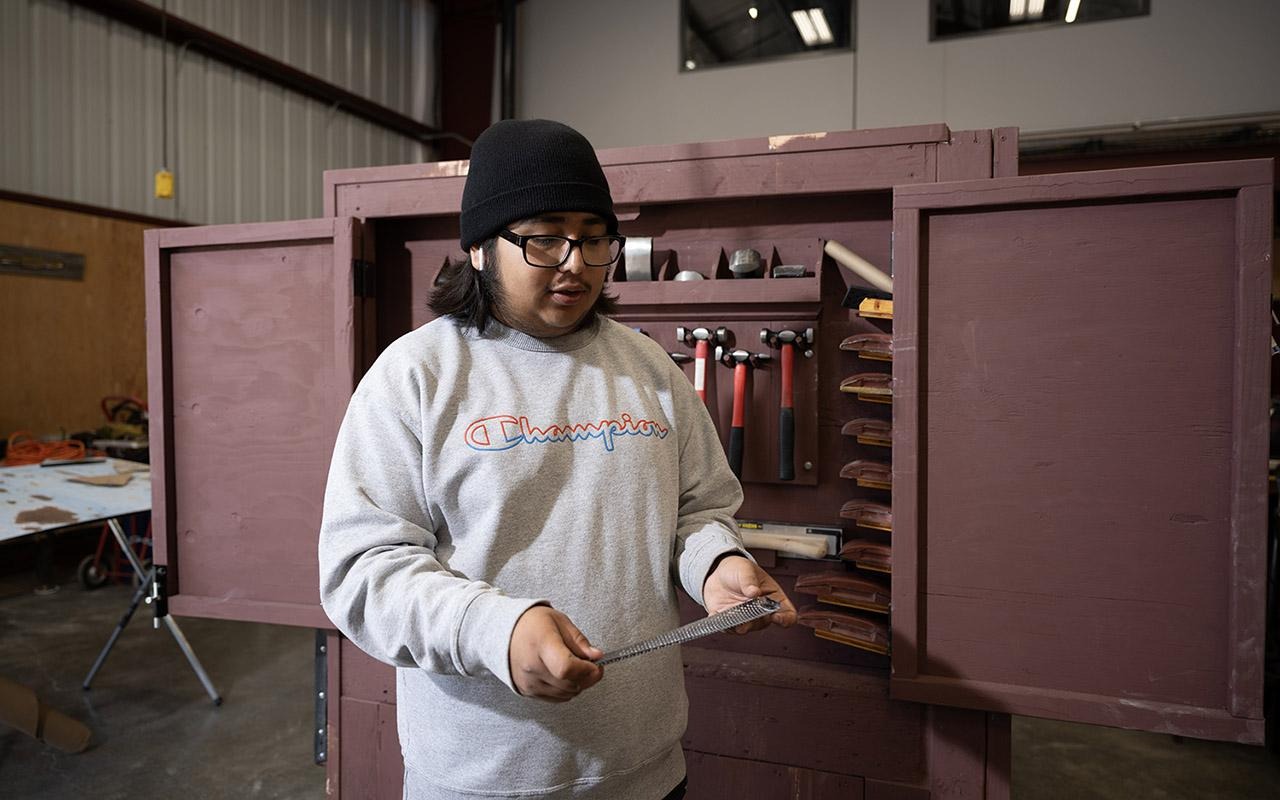
Jose Martinez searches a cabinet for the right tool.
After cutting the sheet of metal, Natalia and Jose Martinez, 17, examine a banged-up fender. Forgette taught them to use their fingers to feel the material. Jose, who has taken on the role of unofficial spokesperson for the class, came to Rancho Cielo in February 2023 after falling behind in high school. “There would just be like, constant sitting” in school, he says. “I don’t really like doing that, as I want to do something.”
Here he has learned how to figure out what’s wrong with the body of a car and fix it. He isn’t sure if he will work in the automotive industry, but he is sure he will be able to save himself money by fixing his own car. His classmate, Abel Galindo, also 17, has less to say about school — “it was like, whatever” — and more to say about classic cars. “I’m in love with old cars. Like, I wish I could have an old car,” says Abel, who is from nearby King City.
Ross Merrill, president of the Laguna Seca Raceway Foundation, a nonprofit that helps finance improvements at the course, isn’t surprised by the interest. “There’s a car culture here in Monterey County that is world-renowned,” he says.
A third-generation Salinas farmer, Merrill grew up riding his bike to watch the races at Laguna Seca. Now he races in them. Hoping to preserve that history, Merrill serves on the advisory board of the classic and antique auto repair program at Rancho Cielo. “It’s becoming a lost art,” he says. Not among the students at Rancho Cielo.
Elias Pineda is taking the course for the second time, in a more advanced form so he can finish working on his 1997 GMC Sierra. The 18-year-old is smoothing the roof of the cab with another student, standing on a wood crate in the truck bed that houses a speaker system he installed. Pineda also redid the suspension and overhauled several other things. Although his blue-green truck has an old body style, it is not technically a classic car. Nevertheless, he considers it his presentation card, the piece of work he can point to when he goes job hunting. A Salinas native, Pineda has always been into trucks, muscle cars, “anything that involves four wheels and an engine.” Although he has yet to graduate, he has already started doing freelance automotive work.
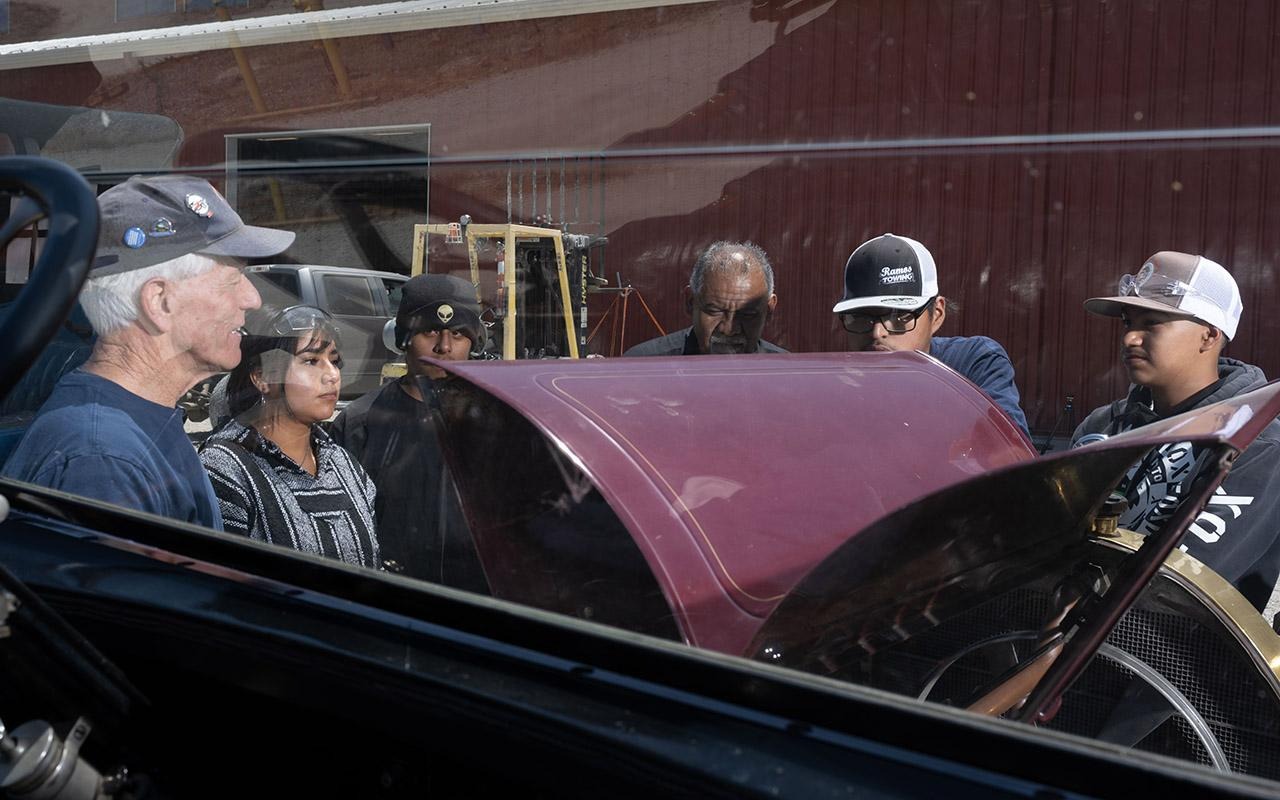
Steve Hughes (left) shows students and staff an antique car engine.
After Jesse Hoffman graduated from the program last year, the 19-year-old found work fixing Mazdas. From there he tried another car shop and more recently took a job building parts for airplanes. Although different, he says the skills he learned in the classic and antique auto repair program have helped him. “The bodywork part of it very much goes into working with the aviation side of everything,” he explains. Most importantly it is a career he enjoys. “I love it in every way,” he says.
Back at Rancho Cielo as class nears its end for the day, several horseless carriages — as the earliest automobiles are known — putter up. Steve Hughes, with the Salinas Valley chapter of the Horseless Carriage Club of America, walks into the garage. Natalia bounds over. She wants to know if Hughes remembers her from an earlier visit (he does) and if he brought his vehicle (he did). His 1915 Locomobile needs constant attention.
Hughes serves on the program’s advisory board and regularly visits the class with fellow members of his club. They aren’t here for repairs; instead they offer the students rides.
Natalia takes shotgun in Hughes’ Locomobile, and two boys from class hop in the back. Hughes jokingly tells Natalia to press her finger to the dashboard so the vehicle will start. She knows her finger will not start the car, but she smiles and does it all the same. The car chortles to life and bounces down the road.
This story originally appeared in the February 2024 issue of Rotary magazine.